

What Is High-Protein Flour and Why Does It Matter?
There is something deeply satisfying about flour that holds itself together. Flour that stretches with patience, rises with grace, and turns simple dough into warm, golden bread. That quiet strength comes from protein, and it changes everything about the way you bake.
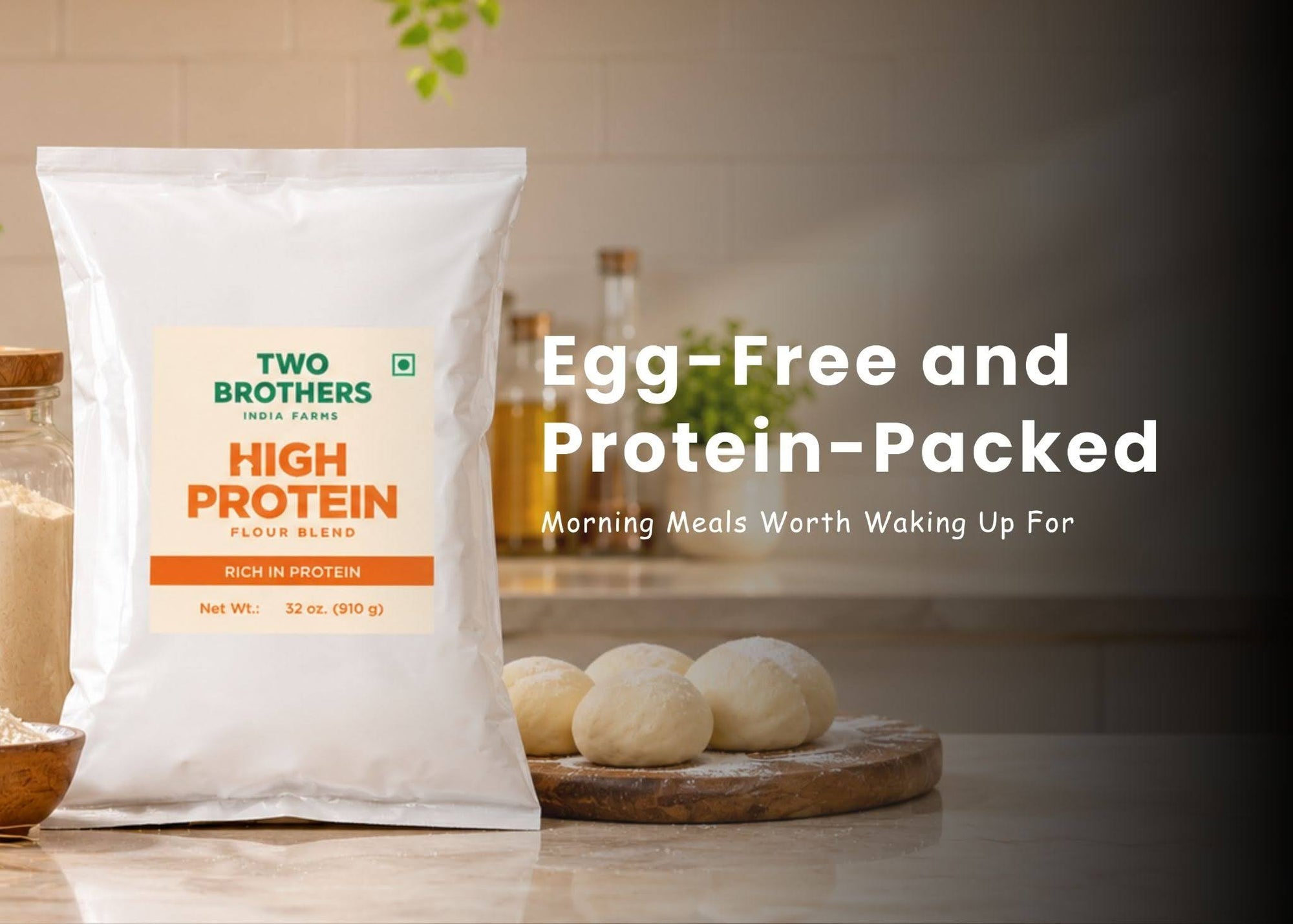
High-protein flour is a type of flour that contains 12% or more protein by weight, compared to the 8% to 11% found in standard all-purpose varieties. When wheat-based high-protein flour meets water, its two key proteins, glutenin and gliadin, form a strong, elastic network called gluten. This network gives bread its structure, its satisfying chew, and its airy lift. Whether you are shaping sourdough, rolling out pizza dough, or pressing soft chapatis, high-protein flour may provide the resilience and stretch your recipes call for.
In recent years, high-protein flours have moved far beyond the professional bakery. Health-conscious families, home cooks, and wellness seekers across the country are beginning to notice how the right flour can quietly nourish everyday meals. From ancient wheat varieties to nutrient-dense legume flours, the world of protein-rich baking is beautifully wide.
How Is High-Protein Flour Different from Regular Flour?
The simplest difference lives in the protein percentage. Standard all-purpose flour typically ranges from 8% to 11% protein. A high-protein flour starts at around 12% and may climb to 14% or higher, depending on the grain variety and how it was milled.
This distinction matters because protein is responsible for gluten formation. More protein means a stronger gluten network, which can absorb more water, trap more air during fermentation, and hold its shape through baking. That is why bakers reach for high-protein flour when they need structure, elasticity, and a satisfying crumb.
For those seeking both nutrition and honest flavor, stone-ground flours from heirloom wheat varieties can deliver a beautiful balance. Two Brothers India Farms crafts their flours using traditional stone-grinding methods, preserving the bran, germ, and natural nutrition that modern milling often strips away.
What Are the Common Types of High Protein Flours?
Not every protein flour comes from wheat. The world of high protein flours stretches across grains, legumes, and seeds. Here is a look at some widely used types and what makes each one unique.
| Flour Type | Approximate Protein Content | Best Used For |
|---|---|---|
| Bread Flour (Wheat) | 12% to 14% | Sourdough, bagels, sandwich loaves |
| Whole Wheat Flour | 13% to 14% | Chapatis, rustic breads, flatbreads |
| Khapli (Emmer) Wheat Flour | 12% to 15% | Rotis, nourishing everyday baking |
| Chickpea Flour (Besan) | 20% to 22% | Savory pancakes, batters, flatbreads |
| Quinoa Flour | 14% to 16% | Gluten-free wraps, baking blends |
| Almond Flour | 21% to 24% | Low-carb baking, cookies, snacks |
Ancient wheat varieties like Khapli (Emmer) wheat may carry higher fiber and a gentler gluten profile compared to modern wheat. This makes them a thoughtful, nourishing choice for families who want wholesomeness without heaviness. Two Brothers India Farms' High-Protein Khapli Flour is stone-ground in small batches, preserving the grain's natural integrity.
Why Does Protein Content Matter in Your Everyday Flour?
Protein in flour does more than form gluten. It may also shape the nutrition, texture, and overall quality of what you create in your kitchen. Here is why protein content deserves a closer look:
- Structure and rise. Higher protein builds a stronger framework, helping dough expand during fermentation and hold its shape beautifully in the oven.
- Water absorption. A protein flour with more gluten potential can absorb more liquid, which may produce moist, tender loaves that stay fresh longer.
- Satiety. Foods made with high-protein flour may help you feel fuller for longer, gently supporting mindful eating habits.
- Nutrient density. Many high-protein flours, especially those from ancient grains and legumes, carry additional fiber, iron, and B vitamins that refined options may lack.
- Digestive comfort. Ancient grain flours like Khapli wheat tend to be gentler on the stomach, which may support easier digestion over time.
For working adults balancing busy schedules with wholesome eating, the flour you choose can quietly transform your daily nutrition. This guide on Khapli atta benefits for working adults explores how traditional flours may fit into modern routines.
How Can You Use High-Protein Flour in Everyday Cooking?
You do not need to be a professional baker to welcome high-protein flour into your kitchen. Here are simple, everyday ways to use it:
- Bread and dinner rolls. High-protein flour gives homemade bread a satisfying chew and a golden, crusty exterior.
- Pizza dough. A strong gluten network helps dough stretch thin and even, without tearing.
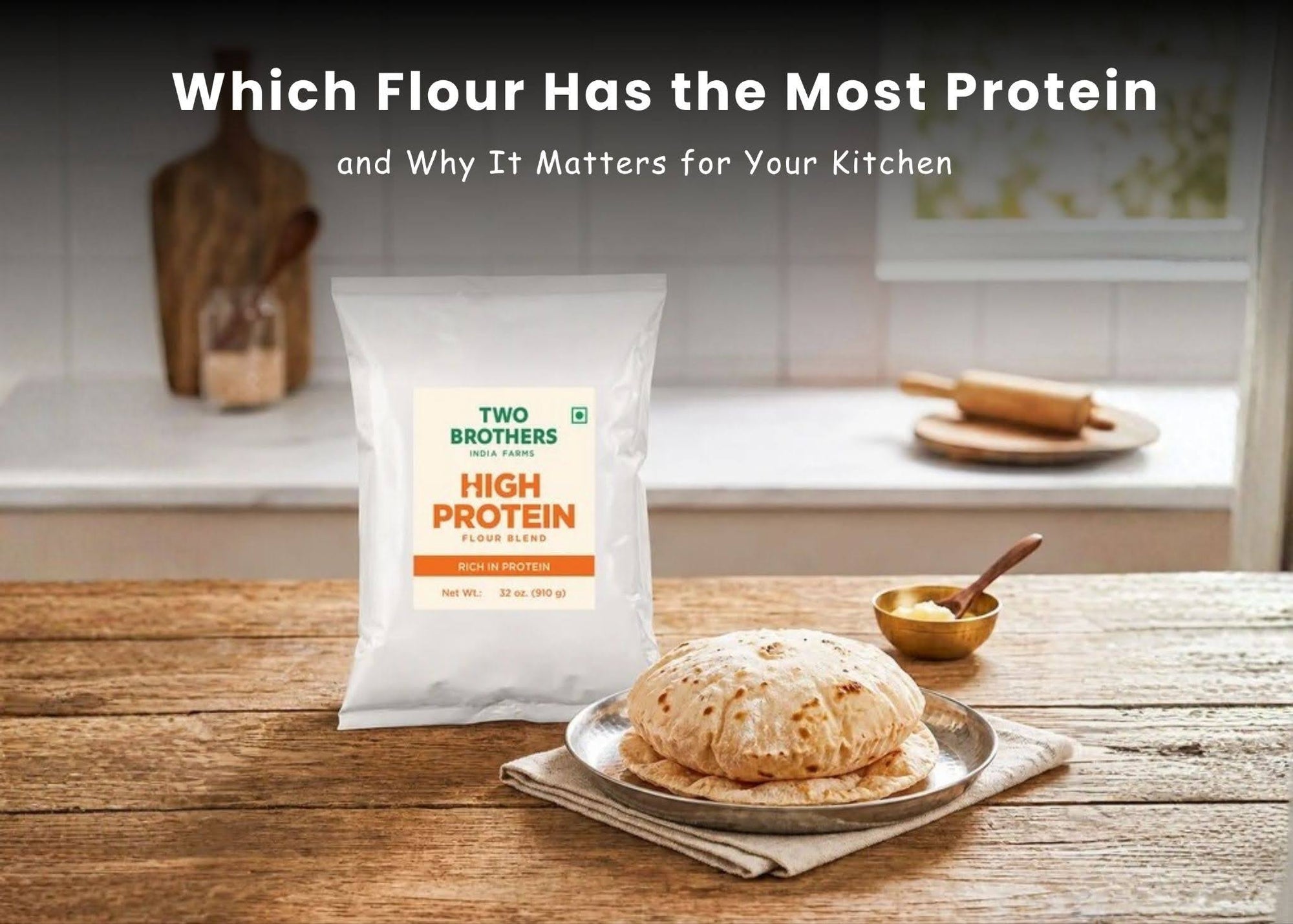
- Chapatis and rotis. Whole wheat protein flour creates soft, pliable flatbreads with a gentle, comforting bite.
- Fresh pasta. Pasta made with high-protein flour holds its shape through boiling and offers a pleasant, firm texture.
- Pancakes and crepes. Blending a protein flour with softer flours may create light yet filling breakfast favorites.
- Soups and gravies. Protein-rich flours can add body and subtle nutrition when used as a natural thickener.
Whether you are kneading dough by hand or whisking batter in a quiet morning kitchen, the right flour brings both warmth and intention to your table.
What Should You Look for When Choosing the Right Protein Flour?
With so many varieties available, choosing the right high-protein flour can feel a bit overwhelming. Here are a few things worth keeping in mind.
Look for flours that are stone-ground rather than roller-milled. Stone grinding preserves the bran and germ, where much of the fiber, vitamins, and minerals naturally reside. Choose flours made from heirloom or ancient grain varieties when possible, as these may offer a more balanced nutritional profile than modern, commercially bred wheat.
Many people search online for high protien flour, a commonly typed alternate spelling, and find themselves sorting through countless options. Whether you type high protien flour or high-protein flour, the key is to look for transparency in sourcing, minimal processing, and a genuine commitment to organic practices.
Two Brothers India Farms believes in keeping flour simple and honest: stone-ground, chemical-free, and true to the grain. Their approach to organic wheat flour honors tradition while delivering the nutrition your family deserves.
Frequently Asked Questions
What is the ideal protein percentage in high-protein flour?
Most high-protein flour varieties contain between 12% and 14% protein by weight. Alternative options like chickpea and almond flour can reach 20% or higher. The right choice depends on what you plan to bake and the texture you prefer.
Can I use high-protein flour for cakes and pastries?
High protein flour is generally not the best fit for delicate bakes like cakes or soft pastries. The extra gluten may make these treats dense or chewy. A lower-protein variety works better for tender, light textures.
Is high-protein flour the same as bread flour?
Bread flour is one type of high-protein flour, typically containing 12% to 14% protein. However, high-protein flours also include whole wheat, chickpea, Khapli (Emmer), and other alternative varieties with elevated protein content.
What makes ancient grain high protein flours different from modern wheat flour?
Ancient grain flours like Khapli (Emmer) wheat may carry more fiber and a gentler gluten profile than modern commercial wheat. They are often stone-ground, preserving the natural bran and germ for a more wholesome result.
How do I store high-protein flour to keep it fresh?
Stone-ground protein flour is best stored in a cool, dry place in an airtight container. Because it retains the natural oils from the bran and germ, refrigeration can help extend freshness, especially in warmer climates.