Thirty candles on your birthday cake, and suddenly your jeans feel tighter. Your body whispers a different story than it did just a few years ago. The mirror reflects changes you didn't invite, and the scale stubbornly refuses to budge. If you've crossed 30 and feel your metabolism has gone on a permanent vacation, you're not imagining things.
After 30, your body begins a slow metabolic shift. Muscle tissue naturally declines at about 3-8% per decade, and with it goes your body's calorie-burning power. But here's the gentle truth: you can turn this around. Learning how to boost metabolism doesn't require extreme measures or complicated routines. It starts with understanding your body's new rhythm and nourishing it the way generations before us did, with traditional wisdom and wholesome, organic foods.
Why Does Metabolism Slow Down After 30?
Your metabolism is how your body converts what you eat into energy. Think of it as your internal engine, constantly burning fuel even while you sleep. After 30, this engine naturally downshifts for several reasons.
The most significant change happens in your muscle tissue. Lean muscle burns more calories at rest than fat tissue does. As you age, you lose muscle mass unless you actively work to maintain it. Hormonal shifts also play a role. Thyroid function may slow down, growth hormone levels decrease, and for women approaching menopause, estrogen changes affect how the body stores fat.
Sleep quality often declines with age too, disrupting the hormones that regulate hunger and fullness. Add stress, which raises cortisol levels, and you have a recipe for metabolic slowdown. The good news? Each of these factors can be addressed naturally.
How to Boost Your Metabolism: Simple Daily Habits
Build Muscle Through Resistance Training
Strength training is your most powerful tool for how to boost metabolism after 30. When you lift weights or use resistance bands, you rebuild the muscle tissue that naturally declines with age. Muscle requires more energy to maintain than fat does, so even at rest, your body burns more calories.
You don't need a gym membership. Bodyweight exercises like squats, lunges, and push-ups work beautifully. Aim for 2-3 sessions weekly. Your body will thank you not just with a faster metabolism, but with stronger bones and better balance.
Prioritize Protein at Every Meal
Protein has a special metabolic advantage. Your body uses more energy to digest, absorb, and process protein compared to carbohydrates or fats. This is called the thermic effect of food.
Including 25-30 grams of protein at each meal can help. Think eggs for breakfast, lentils for lunch, and fish or chicken for dinner. For those embracing the organic way of life, traditional foods like sprouted ragi flour (nachni satva) offer plant-based protein along with calcium and iron. You can blend it into morning smoothies or cook it as a nourishing porridge that fuels your body gently.
Try High-Intensity Interval Training (HIIT)
HIIT workouts alternate between short bursts of intense activity and rest periods. This type of exercise can increase your metabolic rate for hours after you finish. Even a 20-minute session can make a difference.
You can adapt HIIT to your fitness level. Sprint for 30 seconds, walk for a minute, and repeat. Or try cycling, swimming, or dancing in intervals. The key is pushing your body just enough to challenge it without overwhelming yourself.
Stay Hydrated Throughout the Day
Water plays a quiet but essential role in how to boost your metabolism. When you're dehydrated, your metabolic rate can drop. Drinking water, especially cold water, may temporarily increase calorie burn as your body works to warm it.
Aim for 8-10 glasses daily. Start your morning with warm water and a squeeze of lemon. Throughout the day, sip herbal teas or infused water with mint and cucumber. Your cells need hydration to function optimally, and when they do, your metabolism hums along smoothly.
Foods That May Support Metabolic Health
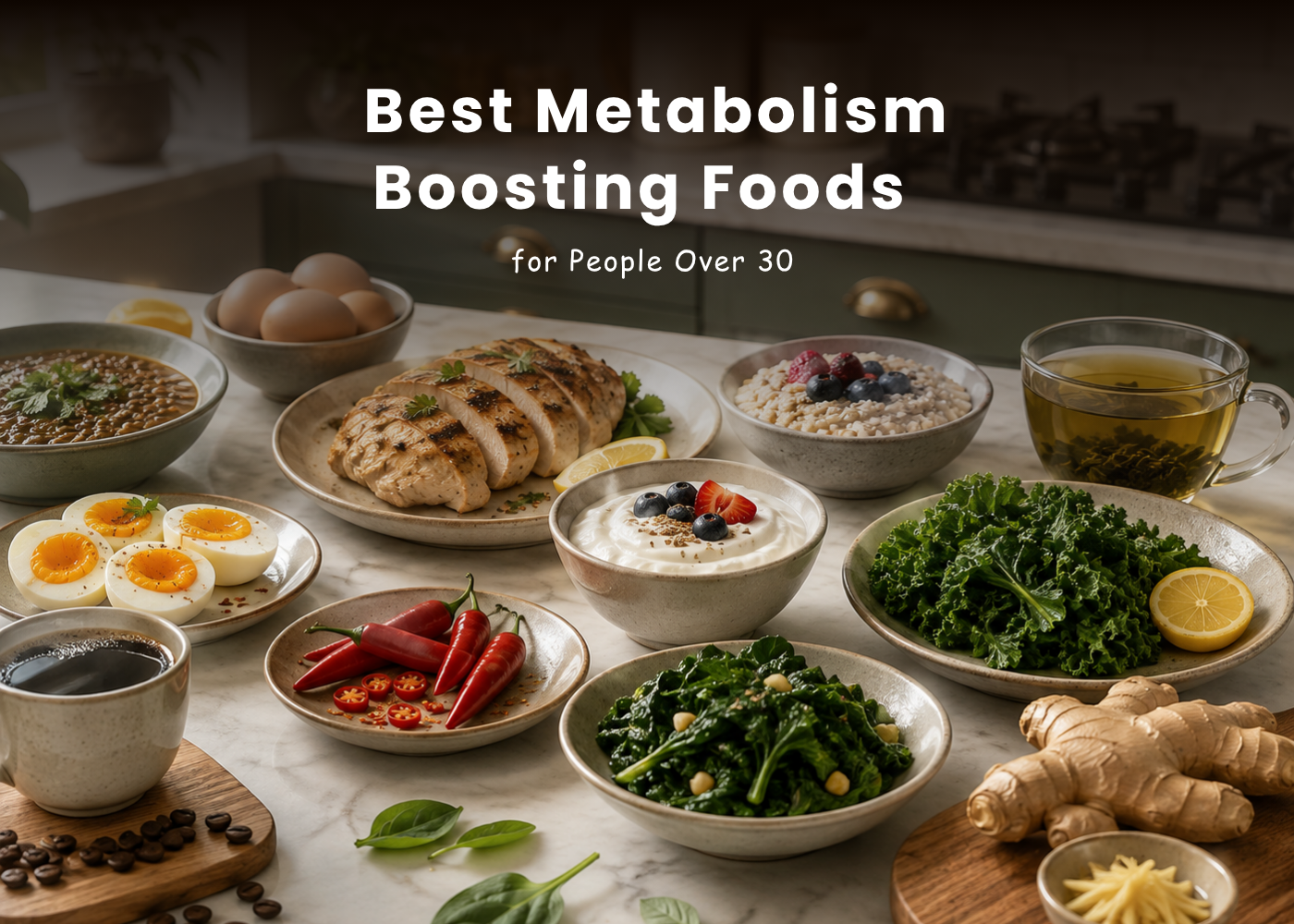
Certain foods have been studied for their potential to support metabolism. While no single food is magic, including these in your diet may help:
|
Food |
Potential Metabolic Benefit |
How to Use |
|
Green Tea |
Contains catechins that may support fat oxidation |
Drink 2-3 cups daily |
|
Chili Peppers |
Capsaicin may temporarily increase calorie burn |
Add to curries, soups, or stir-fries |
|
Turmeric |
Anti-inflammatory properties may support overall health |
Use in cooking or milk |
|
Legumes |
High in protein and fiber, supporting satiety |
Add to salads, soups, and main dishes |
|
Whole Grains |
Complex carbs provide steady energy |
Choose stone-ground flours for better nutrition |
Traditional Ayurvedic ingredients have supported wellness for thousands of years. A2 cultured ghee, made through the ancient bilona method, contains healthy fats that may support nutrient absorption and provide sustained energy. Unlike processed fats, ghee made from grass-fed cows retains its natural properties.

For those looking to boost immunity while supporting metabolism, turmeric ghee combines the anti-inflammatory benefits of turmeric with the nourishing qualities of ghee. Just a teaspoon in your morning routine can make a difference.
Lifestyle Changes That Boost Metabolism
Get 7-8 Hours of Quality Sleep
When you skimp on sleep, your body releases more ghrelin (the hunger hormone) and less leptin (the fullness hormone). This hormonal imbalance can slow metabolism and increase cravings for high-calorie foods.
Create a bedtime routine that signals to your body it's time to rest. Dim the lights an hour before bed, avoid screens, and sip warm milk with a pinch of nutmeg. Quality sleep repairs your body and keeps your metabolic hormones balanced.
Manage Stress Naturally
Chronic stress floods your body with cortisol, a hormone that can slow metabolism and promote fat storage, especially around the midsection. Finding ways to manage stress is crucial.
Gentle practices like yoga, meditation, or even a quiet walk in nature can lower cortisol levels. Traditional formulations like Chyawanprash, made with Amla and 40+ herbs, have been used for centuries to support stress resilience and overall vitality. Taking a spoonful daily is like giving your body a gentle, protective embrace.
Move More Throughout the Day
Formal exercise matters, but so does everyday movement. Standing while talking on the phone, taking the stairs, or parking farther from the entrance all add up. This is called non-exercise activity thermogenesis (NEAT), and it can significantly impact your daily calorie burn.
Set reminders to stand and stretch every hour if you have a desk job. Walk during phone calls. Dance while cooking. Your body was made to move, and every little bit counts.
Supporting Your Body with Traditional Superfoods
Generations before us thrived on simple, whole foods that nourished from within. Today, as we search for how to boost metabolism, we can look back to these traditional treasures.
Amla (Indian Gooseberry), one of the richest natural sources of Vitamin C, has been revered in Ayurveda for its rejuvenating properties. It may support digestion, provide antioxidants, and help maintain healthy metabolism. Whether consumed fresh or as part of an herbal preparation, Amla offers gentle, consistent nourishment.

For those with active lifestyles, sprouted nachni satva (ragi flour) provides calcium-rich nutrition that supports bone health and sustained energy. Sprouting increases the bioavailability of nutrients, making them easier for your body to absorb.
These aren't quick fixes. They're part of a lifestyle that honors your body's natural rhythms and nourishes it with foods free from chemicals and processing.
Practical Daily Routine to Boost Metabolism
Morning:
- Start with warm water and lemon
- Eat a protein-rich breakfast (eggs, sprouted grain porridge with nuts)
- Take a brisk 15-minute walk
Midday:
- Stay hydrated with water or herbal tea
- Include protein and vegetables in lunch
- Move for 5 minutes after eating
Evening:
- Resistance training or HIIT workout (20-30 minutes, 3x weekly)
- Dinner with lean protein and fiber-rich vegetables, think skinless chicken breast, white fish like cod or tilapia, lentils, beans, tofu, or egg whites. Lean protein sources are packed with essential amino acids while being low in fat, which may help support muscle repair and keep you feeling full longer.
- Herbal tea with turmeric or ginger
Before Bed:
- Light stretching or yoga
- Warm milk with a pinch of nutmeg
- 7-8 hours of quality sleep
Common Myths About How to Boost Metabolism
Myth: Eating small, frequent meals speeds up metabolism.
Truth: Total daily calories matter more than meal frequency. Eat when hungry and focus on nutrient-dense foods.
Myth: Certain teas or pills can dramatically increase metabolism.
Truth: While some foods may have a small temporary effect, sustainable changes come from lifestyle habits.
Myth: Metabolism is entirely genetic and can't be changed.
Truth: While genetics play a role, muscle mass, activity level, and nutrition significantly influence metabolic rate.
Conclusion
Learning how to boost metabolism after 30 isn't about fighting your body's natural changes. It's about working with them, gently and consistently. Building muscle through strength training, prioritizing protein, staying hydrated, managing stress, and getting quality sleep form the foundation.
Traditional, organic foods offer nourishment that synthetic supplements simply can't match. They connect us to generations of wisdom while supporting our modern wellness goals.
Ready to embrace the organic way of life? Check out Two Brothers Organic Farms' immunity collection for traditional superfoods that support your metabolism and overall wellness naturally.
Frequently Asked Questions
Can resistance training really boost metabolism after 30?
Yes, resistance training builds muscle tissue, which burns more calories at rest than fat tissue. Regular strength training 2-3 times weekly can help maintain and even increase metabolic rate as you age.
How much protein do I need daily to support metabolism?
Aim for 25-30 grams of protein per meal, or about 0.8-1 gram per pound of body weight daily. Protein has a higher thermic effect than other macronutrients, meaning your body burns more calories digesting it.
Does drinking green tea actually help metabolism?
Green tea contains catechins and caffeine that may slightly increase calorie burn. While the effect is modest, drinking 2-3 cups daily as part of a healthy routine may provide some benefit.
Will getting more sleep really affect my metabolism?
Absolutely. Poor sleep disrupts hormones that regulate hunger and metabolism, including ghrelin and leptin. Consistently getting 7-8 hours of quality sleep supports healthy metabolic function.
Are there traditional foods that support metabolic health?
Yes, traditional superfoods like Amla, turmeric, sprouted grains, and A2 ghee have been used for centuries to support overall wellness and may contribute to healthy metabolism when included in a balanced diet.