What if the flour sitting in your kitchen could carry traces of the world's most widely used herbicide? For health-conscious families choosing wholesome ingredients, this question might feel unsettling. Yet glyphosate residues in wheat products have become a pressing concern across North America, where pre-harvest spraying practices can leave behind chemical traces that slip quietly into our daily bread.
Glyphosate-free flour offers a cleaner path forward. Free from herbicide residues, these flours come from grains grown without synthetic chemicals, promising purity that aligns with how our grandmothers once baked. Understanding what makes flour truly safe can transform how you nourish your family.
What Exactly Is Glyphosate-Free Flour?
Glyphosate-free flour comes from wheat or grain crops never treated with glyphosate-based herbicides like Roundup. Unlike conventional wheat, which may be sprayed before harvest to speed drying, these grains grow naturally without chemical desiccation. The result is flour that carries no detectable herbicide residues down to scientific testing limits.
If you're looking beyond flour, understanding which everyday foods can also be chosen with lower glyphosate exposure can make it easier to build a more informed pantry. This glyphosate free foods list provides a broader look at food choices and practical ways to prioritize them.
While glyphosate targets an enzyme found only in plants and bacteria, recent scientific research suggests the compound could influence human health through indirect pathways. The gut microbiome, home to trillions of beneficial bacteria, may be particularly vulnerable since these microorganisms possess the same enzyme pathway that glyphosate disrupts in plants.
Key Differences at a Glance:
|
Aspect |
Glyphosate-Free Flour |
Conventional Flour |
|
Herbicide Exposure |
None |
May contain residues from pre-harvest spraying |
|
Testing Standards |
Below 10 ppb (parts per billion) |
Up to 30,000 ppb is legally allowed |
|
Certification |
Glyphosate Residue Free or Organic |
Standard USDA regulation |
Is Organic Flour Glyphosate-Free?
Organic certification prohibits synthetic herbicides, making organic flour a safer choice. However, the distinction between "organic" and "glyphosate-free" matters more than you might think.
USDA Organic standards ban glyphosate use on certified farms, yet contamination can still occur through environmental drift from neighboring conventional fields or shared equipment. Some organic products tested have shown trace glyphosate levels, though significantly lower than non-organic alternatives.
Glyphosate Residue Free certification takes it further. This third-party verification requires products to contain no detectable residues down to 0.01 ppm (10 ppb), often stricter than organic thresholds. Independent lab testing confirms each batch meets these rigorous standards before reaching consumers.
For families seeking absolute purity, combining both certifications offers the strongest protection. Organic farming practices paired with residue-free testing create a comprehensive safety net.
Why Choosing Glyphosate-Free Flour Could Matter for Your Health
The decision to avoid glyphosate extends beyond personal preference. Emerging research indicates that glyphosate residues may contribute to digestive discomfort through microbiome disruption.
Potential concerns include:
- Gut Microbiome Imbalance: Glyphosate can inhibit beneficial bacteria like Lactobacillus while allowing opportunistic pathogens to flourish. This shift may contribute to bloating, irregular digestion, and symptoms often mistaken for gluten sensitivity.
- Digestive Wellness: Reduced populations of butyrate-producing bacteria could affect intestinal barrier function, potentially increasing inflammation.
- Nutrient Absorption: A balanced microbiome supports proper nutrient uptake, energy metabolism, and immune function.
Many individuals who eliminate wheat report improved digestion and reduced discomfort. While gluten often receives blame, residual herbicides in conventional flour could play an overlooked role. Switching to glyphosate-free options may offer relief for those struggling with wheat sensitivity.
Where to Buy Glyphosate-Free Flour: Your Shopping Guide
Finding certified glyphosate-free flour has become easier as consumer awareness grows. Multiple brands now carry verification from independent testing organizations.
Trusted Sources Include:
Online Retailers:
- Major platforms like Amazon and natural food co-ops carry verified brands
- Direct purchases from certified mills ensure freshness and transparency
- Specialty health stores increasingly stock glyphosate-tested options
Certified Brands to Look For:
- Palouse Brand (stone-ground certified glyphosate-free flours)
- Jovial Foods (organic einkorn with residue-free certification)
- One Degree Organic Foods (BioChecked verified products)
- Local organic mills with transparent sourcing practices
What Flour Is Glyphosate- Free:
- Ancient grains like einkorn, emmer (khapli), and spelt from certified organic farms
- Heritage wheat varieties from small-scale producers
- Stone-ground whole wheat from verified glyphosate-free sources
- Specialty flours, including chickpea, lentil, and other pulse-based options
When shopping, look for both USDA (United States Department of Agriculture), EPA (Environmental Protection Agency) organic and glyphosate residue-free seals. The combination provides maximum assurance that your flour comes from clean sources with verified testing.
Ancient Grains and Traditional Milling
Stone-ground flours from heritage grains offer benefits beyond herbicide avoidance. Traditional milling preserves the bran, germ, and endosperm together, maintaining fiber, minerals, and natural oils often stripped away in commercial processing.
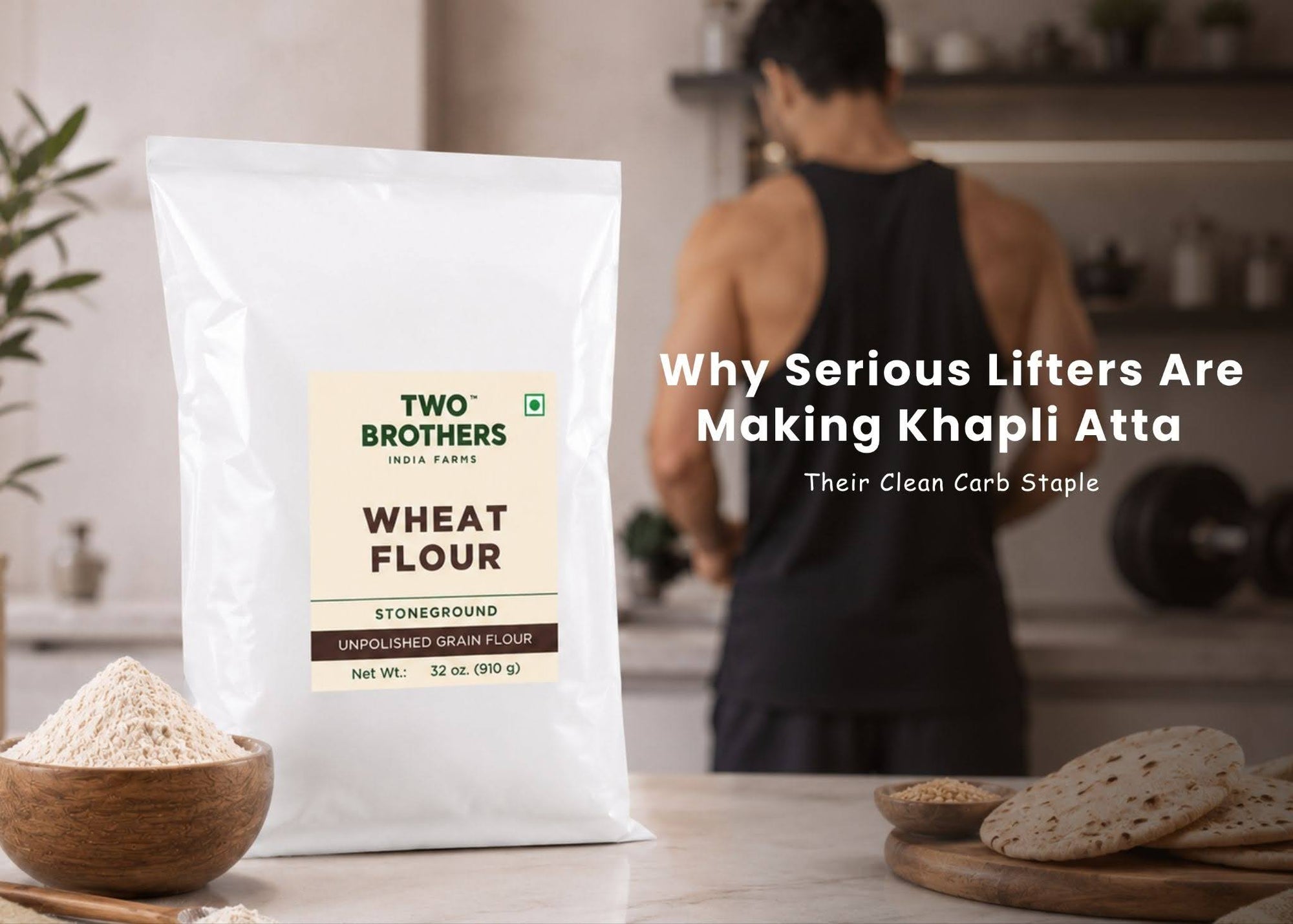
Two Brothers Organic Farms takes this approach with their Khapli Wheat Flour, India's first and only certified glyphosate-free khapli atta. This ancient emmer wheat, stone-ground using time-honored methods, delivers 50% more fiber and 50% lower gluten than commercially available flour.

The difference shows in every roti. The nutty, slightly sweet flavor speaks to the grain's natural character, untouched by chemicals or high-speed processing. Families report easier digestion, sustained energy, and a return to bread that feels wholesome rather than heavy.
Certified glyphosate-free, this khapli atta represents more than just flour. It embodies a commitment to purity that honors both tradition and modern safety standards.
Reading Labels: What Certification Actually Means
Understanding certification helps you make informed choices beyond marketing claims.
USDA Organic
- Prohibits synthetic herbicides, including glyphosate
- Allows up to 5% of EPA tolerance levels as a contamination threshold
- Process-based rather than final product testing
- Strong but not absolute protection
Glyphosate Residue Free
- Requires no detectable residues (typically below 10 ppb)
- Independent third-party lab verification
- Tests finished products, not just farming practices
- Stricter limits than organic standards alone
Non-GMO Project Verified
- Ensures no genetically modified organisms
- Does not test for chemical residues
- Complementary to but distinct from glyphosate testing
For families prioritizing clean eating, Glyphosate Residue Free certification offers the most stringent verification. Combined with organic farming practices, it creates the highest standard currently available.
Making the Switch: Practical Tips for Your Kitchen
Transitioning to glyphosate-free flour feels simple once you understand a few key differences.
Baking Adjustments
- Add 2-4 tablespoons extra liquid per cup for ancient grains
- Allow the dough to rest longer, absorbing moisture fully
- Expect slightly denser textures with whole-grain varieties
- Embrace nutty, earthy flavors as features, not flaws
Storage Wisdom
- Keep flour in airtight containers away from heat and light
- Stone-ground varieties stay fresh for 9 months when properly stored
- Refrigeration extends shelf life for whole grain options
- Buy in quantities you'll use within three months
Recipe Success
- Start with familiar recipes, substituting gradually
- Combine different flours for a balanced texture and nutrition
- Stone-ground flours create softer, fluffier rotis when the dough rests adequately
- Lower oven temperatures by 20-25°F when baking with ancient grains
The investment in quality flour pays returns in flavor, nutrition, and peace of mind. Your body recognizes real food, responding with better digestion and sustained vitality.
Choosing Purity for Your Family's Future
The flour you choose shapes more than today's meals. It influences long-term wellness, supports sustainable farming, and honors the wisdom of traditional food preparation. Glyphosate-free options offer a return to purity, where every roti carries nourishment without compromise.
Two Brothers Organic Farms invites you to experience this difference through their certified glyphosate-free Khapli Wheat Flour, stone-ground with care and tested for absolute purity. Because your family deserves flour that's as clean as the earth it came from.

Frequently Asked Questions
1. What makes flour glyphosate-free?
Glyphosate-free flour comes from grains never treated with glyphosate herbicides during growing or pre-harvest. Independent lab testing verifies no detectable residues remain in the final product, typically below 10 parts per billion.
2. Is organic flour always glyphosate-free?
While organic certification prohibits glyphosate use, trace contamination can occur through environmental drift or shared equipment. Glyphosate Residue Free certification adds an extra testing layer to confirm absolute purity beyond organic standards.
3. Where can I buy glyphosate-free flour in the USA?
Look for certified brands at natural food stores, Amazon, or directly from verified mills like Two Brothers Organic Farms, which offers certified glyphosate-free khapli wheat flour online with shipping across the United States.
4. Does glyphosate-free flour taste different?
Ancient grain varieties like emmer wheat offer naturally nutty, slightly sweet flavors. Stone-ground processing preserves more of the grain's character, creating depth that conventional flour lacks. Many find the taste richer and more satisfying.
5. Can glyphosate-free flour help with digestion?
Some individuals who struggle with conventional wheat report improved comfort when switching to glyphosate-free options. This could relate to reduced herbicide exposure affecting gut bacteria, though individual responses vary. The higher fiber content in stone-ground varieties may also support digestive wellness.