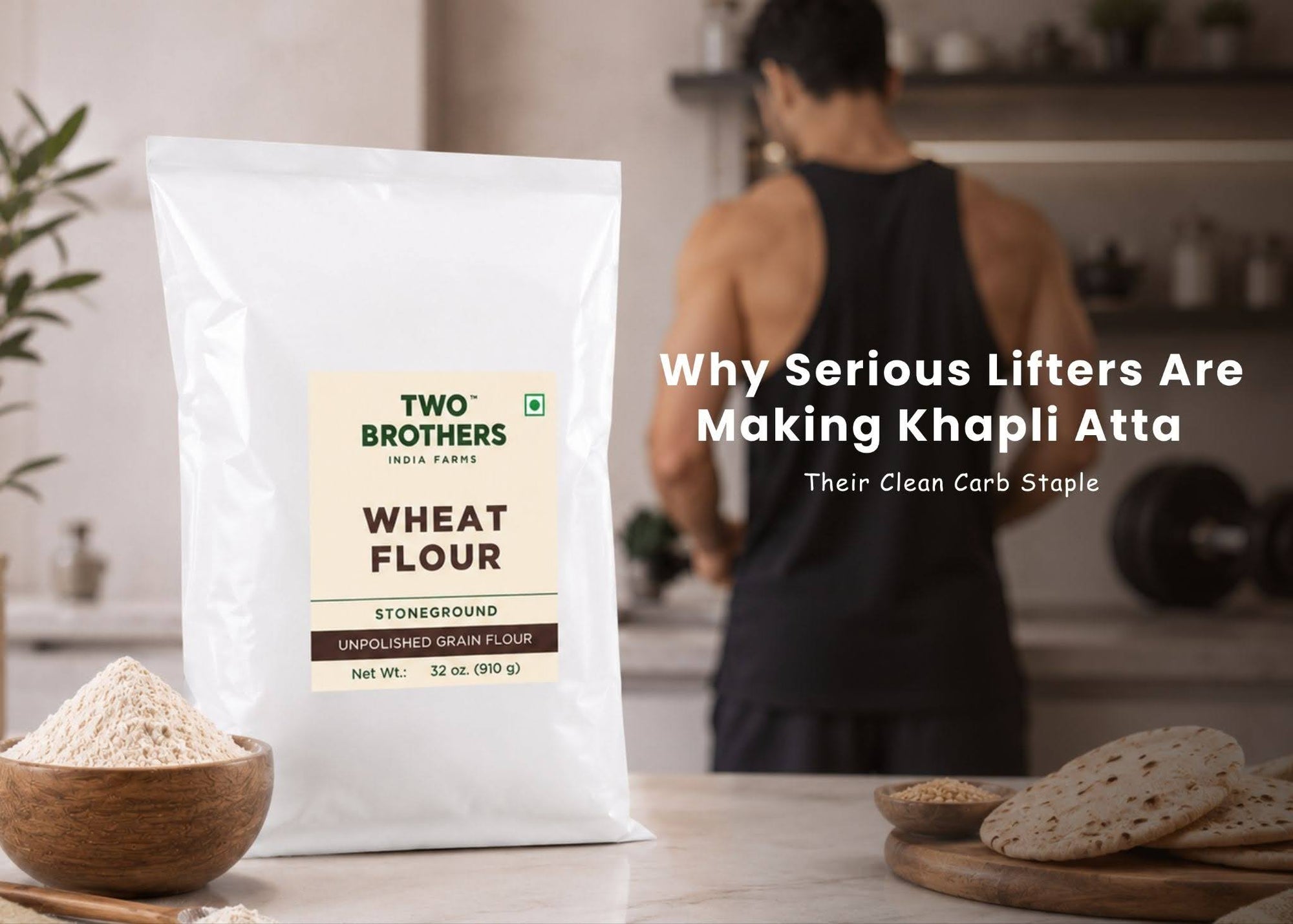
Your grandmother probably made rotis from stone-ground flour that smelled earthy and tasted different from anything you buy at the supermarket today. That's not nostalgia talking; the wheat itself has changed dramatically over the past few decades. And if you've been wondering whether switching to ancient grains is worth the effort, you're asking the right question at the right time.
So, Which One Wins the Health Battle?
Here's the straightforward answer: ancient grains benefits generally outweigh modern wheat when we talk about nutrient density, digestibility, and overall wellness support. Heritage wheat varieties like Khapli (Emmer), Einkorn, and Spelt contain up to 50% more fibre and significantly lower gluten compared to the hybridised wheat dominating grocery store shelves. But here's the nuance, whole modern wheat still beats refined white flour any day. The real comparison should be between whole ancient grains and whole modern grains.
What Makes Ancient Grains Different from Modern Wheat?
When comparing ancient grains vs wheat grown today, the distinction starts at the genetic level. Modern bread wheat is a hexaploid species with six sets of chromosomes, created through selective breeding and hybridisation for higher yields and easier processing. Ancient grains like Khapli wheat and Einkorn are diploid or tetraploid species, closer to what our ancestors cultivated 10,000 years ago.
The traditional grains health advantage comes from minimal processing and genetic simplicity. Khapli wheat, for instance, has never been hybridised or genetically modified. The gluten structure in heritage wheat varieties tends to be weaker and more digestible, making the flour easier on sensitive stomachs.

How Do Ancient Grains Compare to Modern Wheat Nutritionally?
Understanding the nutritional differences helps you make informed choices for your family:
|
Nutritional Factor |
Ancient Grains (Khapli) |
Modern Wheat |
|
Fiber Content |
50% higher |
Standard baseline |
|
Gluten Level |
50% lower, weaker structure |
Higher, stronger structure |
|
Protein Quality |
Higher essential amino acids |
Moderate protein content |
|
Glycemic Index |
Lower (slow energy release) |
Higher (faster spikes) |
|
Mineral Content |
Rich in iron, magnesium, and zinc |
Often depleted in processing |
|
Digestibility |
Easier on the gut |
May cause discomfort for some |
What Are the Key Ancient Grains Benefits for Daily Wellness?
Making the switch to heritage flours brings measurable improvements to your daily nutrition:
- Better Blood Sugar Management: The low glycemic index of ancient grains ensures gradual energy release, keeping blood sugar levels steady throughout the day. Families managing diabetes or pre-diabetic conditions particularly benefit from high-fibre, low-gluten flour options.
- Improved Gut Health: Higher fibre content supports healthy digestion, promotes beneficial gut bacteria, and helps prevent constipation. The weaker gluten structure in heritage varieties reduces bloating and discomfort.
- Enhanced Nutrient Absorption: Stone-ground processing preserves the bran, endosperm, and germ, the three parts of the grain kernel that deliver phytonutrients, vitamins, and antioxidants, protecting against chronic disease.
- Sustained Energy Without Crashes: Unlike refined modern wheat that causes rapid glucose spikes, ancient grains provide slow-burning fuel for active lifestyles.
- Support for Gluten-Sensitive Individuals: While not gluten-free, Khapli wheat for gluten sensitivity is often tolerated better by those with mild sensitivities.
Can You Use Ancient Grains in Everyday Cooking?
Absolutely. The versatility of heritage wheat varieties makes switching simple. Multigrain Khapli Atta blends beautifully into your existing recipes; rotis come out soft with a slightly nutty taste, parathas hold together well, and even baked goods benefit from the earthy flavor profile.

If you're looking for creative ways to incorporate these flours into your meals, healthy flour recipes for unique rotis offer excellent inspiration for everyday cooking.
Who Benefits Most from Traditional Grains Health Advantages?
Not everyone needs to make the switch immediately, but certain groups see remarkable improvements:
- Health-conscious families seeking nutrient-dense staples
- Individuals managing weight through fibre-rich diets
- People with mild gluten sensitivity (not celiac disease)
- Athletes need sustained energy release
- Those with digestive concerns seeking gentler options
- Elderly adults looking for better cholesterol management
Why Choose Two Brothers Organic Farms for Heritage Grains?
Quality matters when selecting ancient grains. Two Brothers Organic Farms brings authentic, stone-ground Khapli wheat flour crafted using traditional methods that preserve the natural goodness of each grain. The flour is chemical-free, non-GMO, and milled in small batches to retain maximum nutrition.
For families serious about clean eating and traditional grains health, choosing trusted sources ensures you're investing in genuine benefits rather than marketing claims. For families who also want to minimise chemical residues in their everyday staples, switching to glyphosate free flour can further upgrade the quality of their daily rotis and baked goods.
Conclusion
The ancient grains vs wheat debate isn't about declaring one absolutely superior; it's about understanding which option serves your health goals better. For most health-conscious families, heritage wheat varieties offer meaningful advantages: more fiber, gentler digestion, richer nutrients, and a connection to food traditions that sustained generations before us.
The switch doesn't require dramatic changes. Start by replacing your regular atta with Multigrain Khapli Atta for everyday rotis. Notice how your body responds over a few weeks. Many families report better digestion, sustained energy, and an appreciation for the authentic taste of real, unprocessed grains.
Ready to experience the difference? Explore the complete flour collection at Two Brothers Organic Farms and bring home flour that honors both tradition and your family's wellness.
Frequently Asked Questions
1. Are ancient grains completely gluten-free?
No. Ancient grains like Khapli wheat contain gluten, but with a weaker structure and lower concentration than modern wheat. People with celiac disease should avoid all wheat varieties, but those with mild sensitivity often tolerate heritage grains better.
2. Do ancient grains taste different from regular wheat?
Yes, slightly. Heritage varieties have a nuttier, earthier flavor compared to modern wheat's neutral taste. Most people find the difference pleasant and more satisfying in traditional recipes.
3. Can children eat foods made with ancient grain flour?
Absolutely. The higher nutrient density and easier digestibility make ancient grain flour excellent for growing children. Start with familiar recipes like rotis and parathas.
4. Is Khapli wheat good for weight management?
Yes. The high fiber content promotes satiety, helping you feel fuller longer. Combined with a lower glycemic index, Khapli wheat supports healthy weight management when included in balanced meals.
5. How much ancient grain flour should I consume daily?
Including 2-3 servings of whole grain foods daily aligns with nutritional recommendations. Replace your regular atta with Khapli flour for chapatis, parathas, or baked items to meet daily requirements naturally. To make these choices easier, you can refer to a curated glyphosate-free food list that highlights everyday staples supporting a cleaner, low-toxin diet.