You stand in your kitchen, eyeing that bag of all-purpose flour. It's been your go-to for years, rotis, breads, cakes, everything. But lately, something feels missing. The bland taste, the heaviness after meals, the nagging feeling that maybe there's something better out there. What if flour could taste like something, really taste like something, while also giving your body what it needs?
Let's talk about the best ancient grain flour options that don't just work, they shine.
What Makes Ancient Grain Flour Special?
Before we get into which flour belongs in your pantry, let's understand what sets ancient grains apart.
Ancient grain flour comes from grains that have remained largely unchanged for hundreds, sometimes thousands, of years. Unlike modern wheat that's been bred for higher yields and industrial baking, these grains kept their original genetic makeup and with it, their nutrition, flavor, and gentler gluten structure.
The ancient grain flour benefits go beyond nostalgia:
- Higher in protein and fiber: Many ancient grains pack more nutrition per bite than their modern counterparts
- Easier to digest: The different gluten structure means less bloating and discomfort for many people
- Rich in minerals: Think iron, magnesium, zinc, nutrients that modern processing often strips away
- Distinctive flavors: From nutty to buttery to slightly sweet, these flours actually taste like something
The Top Ancient Grain Flours That Deliver on Taste and Performance
1. Khapli Wheat (Emmer): The Everyday Champion
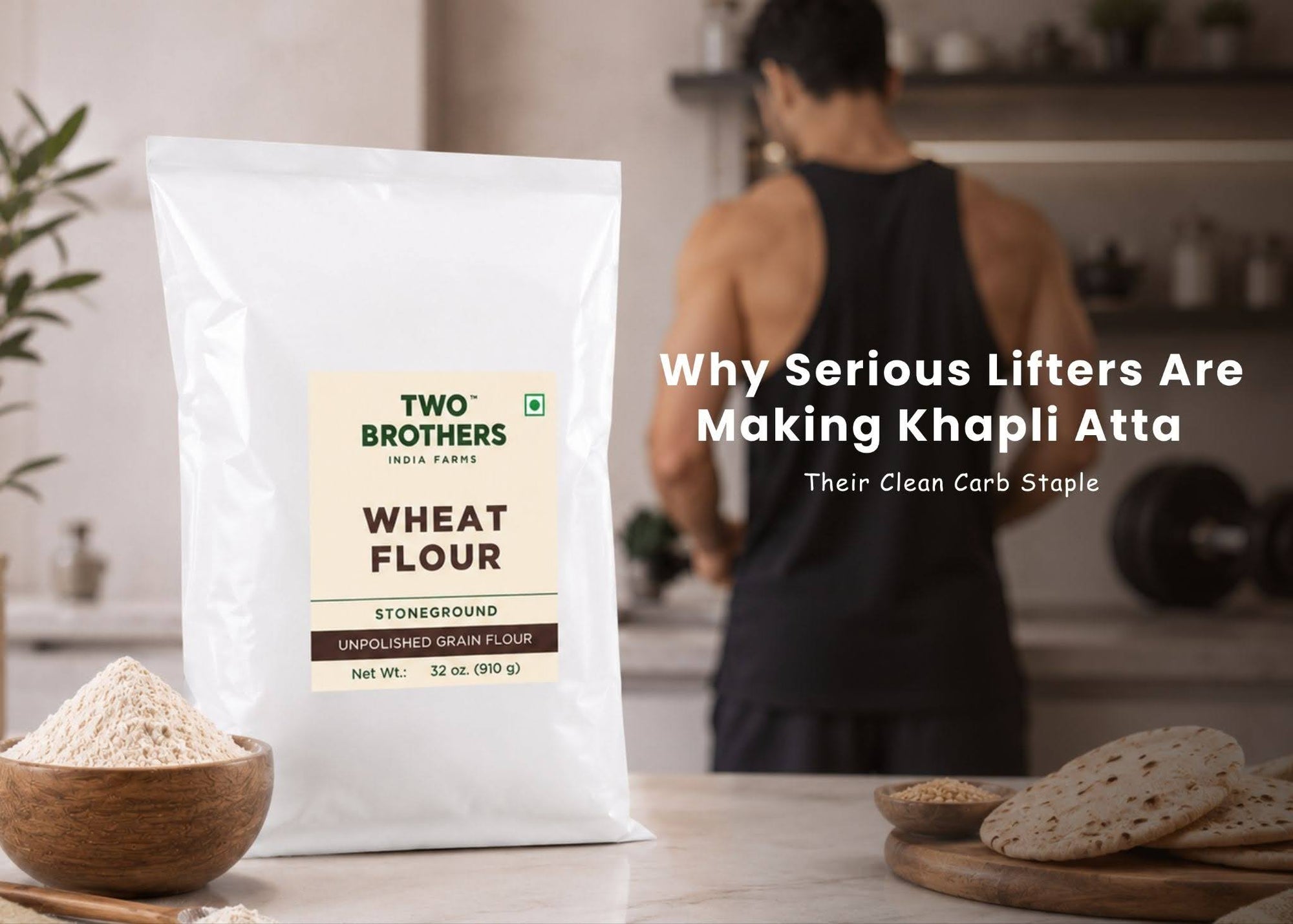
If you're looking for one flour to start with, Khapli wheat should be your first stop. Known as Emmer wheat internationally, Khapli has been grown in India for centuries and is making a well-deserved comeback.
Why Khapli Works:
Khapli wheat offers higher fiber and lower gluten than regular wheat. This isn't just a health claim, it's something you'll feel. Rotis made with Khapli wheat flour come out soft, with a mild nutty taste that doesn't overpower your curry or dal. The lower gluten means your stomach won't feel like it's working overtime after dinner.

The flavor? Think warm, earthy, with just a hint of sweetness. It's the kind of taste that makes you slow down and actually notice what you're eating.
Best Uses:
- Daily rotis and parathas
- Quick breads and muffins
- Pancakes and dosas
- Light cakes and cookies
2. Spelt: The Baker's Best Friend
Spelt might be the most versatile ancient grain in your arsenal. It behaves remarkably like modern wheat, which means you can swap it into recipes without much fuss, but with way more flavor.
What Makes Spelt Stand Out:
This grain is a complete protein, containing all nine essential amino acids your body needs. That's rare in the plant world. The flour has a sweet, almost nutty quality that makes everything from bread to cookies taste more interesting. And because its gluten structure is similar to modern wheat, you get a good rise and structure in breads.
Best Uses:
- Artisan breads and sourdough
- Pizza dough
- Pastries and pie crusts
- Everyday chapatis
3. Khorasan (Kamut): The Buttery Luxury
If Khapli is your dependable friend and Spelt is your versatile cousin, Khorasan is that relative who shows up and makes everything feel special. Also known by its trademarked name Kamut, this grain produces a golden flour with a rich, almost buttery taste.
Why You'll Love Khorasan:
The flavor alone makes this worth trying. There's a natural sweetness and depth that elevates simple recipes into something memorable. The flour absorbs more liquid than regular wheat, so your breads stay moist longer. Many people with wheat sensitivities find Khorasan easier to digest, though it's not gluten-free.
Best Uses:
- Hearty breads and rolls
- Cookies and cakes
- Pasta (it's related to durum wheat)
- Breakfast cereals
4. Einkorn: The Ancient Original
Einkorn is the oldest domesticated wheat. It's the grandfather of all wheat, tiny, golden, and packed with nutrition. The flavor is distinct: grassy, nutty, with a subtle tang.
The Einkorn Advantage:
This flour has the weakest gluten structure of the ancient wheats, which sounds like a drawback until you taste what it does to pancakes, muffins, and quick breads. The texture is tender, almost delicate. The nutritional profile is impressive, high in protein, lutein (good for eye health), and easier to digest than modern wheat.
Because of its weaker gluten, Einkorn works best when mixed with other flours for yeast breads or used solo in recipes that don't need a strong structure.
Best Uses:
- Pancakes and waffles
- Muffins and quick breads
- Blended in bread recipes (10-20%)
- Sourdough for complex flavor
Finding Your Perfect Match: Ancient Grains Comparison
|
Ancient Grain |
Flavor Profile |
Gluten Strength |
Best For |
Digestibility |
|
Khapli (Emmer) |
Mild, nutty, earthy |
Medium |
Daily rotis, quick breads, versatile cooking |
High - 50% lower gluten |
|
Spelt |
Sweet, nutty |
Medium-High |
Breads, pastries, 1:1 wheat substitute |
High - gentle gluten |
|
Khorasan |
Buttery, sweet, rich |
Medium |
Breads, pasta, special occasion baking |
High - different gluten structure |
|
Einkorn |
Grassy, nutty, tangy |
Low |
Pancakes, muffins, sourdough (blended) |
Very High - primitive gluten |
How to Start Baking with Ancient Grain Flour
Making the switch doesn't have to be complicated. Here's how to ease into using healthy flour alternatives:
- Start Simple: Replace 25-30% of your regular flour with ancient grain flour in familiar recipes. This gives you the flavor and nutrition benefits while maintaining a familiar texture.
- Adjust Your Liquids: Ancient grains can be thirstier (Khorasan) or wetter (Einkorn) than modern wheat. Add liquid gradually and trust your dough's texture over exact measurements.
- Don't Overmix: The gentler gluten structure means these doughs come together quickly. Overworking them can make baked goods tough instead of tender.
- Try a Multigrain Blend: One of the easiest ways to experience ancient grains is through a quality multigrain Khapli atta. Blends give you nutritional variety and balanced flavor without needing to experiment with multiple flours.

Why Ancient Grains Matter Beyond the Kitchen
Choosing ancient grain flour isn't just about what ends up on your plate. These grains thrive in organic farming systems without heavy fertilizers or pesticides. They're hardier, more sustainable, and support small-scale farmers who've kept these traditions alive.
When you choose whole-grain flour types from ancient varieties, you're participating in something bigger: preserving agricultural diversity, supporting sustainable practices, and reconnecting with food the way it used to be. Simple. Honest. Real.
They're hardier, more sustainable, and support small-scale farmers who've kept these traditions alive. If you're also concerned about chemical residues in your baking staples, learning about glyphosate free flour is a natural next step when making the switch to cleaner, more conscious choices.
Where to Find Quality Ancient Grain Flour
Not all ancient grain flour is created equal. Freshness matters enormously. Once grain is milled, its nutrients begin degrading, especially when exposed to light and air. This is why stone-ground, freshly milled flour makes such a difference.
Look for flour that's:
- Stone-ground to preserve nutrients and natural oils
- Organic to ensure you're getting grains free from synthetic pesticides
- Freshly milled whenever possible, or consider milling your own with berries
- Transparently sourced from brands that care about quality over quantity
Two Brothers Organic Farms offers a carefully curated selection of ancient grain flours that are stone-ground, organic, and made with the kind of care your grandmother would approve of. From single-origin Khapli to thoughtfully blended multigrains, each flour brings something special to your kitchen. If you want to go further in cleaning up your pantry, checking a comprehensive glyphosate-free food list can help you identify safe, toxin-free choices across your entire diet, not just your flour shelf.
Tips for Storing Ancient Grain Flour
Because these flours retain their natural oils and haven't been stripped of nutrients, they need a bit more attention in storage:
- Keep it cool: Store in airtight containers in your refrigerator or freezer
- Use within 3 months: For maximum freshness and nutrition
- Smell before using: Fresh flour smells sweet and pleasant; rancid flour smells sharp or off
- Consider buying berries: If you have a grain mill, buying whole berries and milling as needed gives you the absolute freshest flour
Making the Switch: A Small Change That Matters
Switching to ancient grain flour doesn't mean overhauling your entire kitchen or learning to bake from scratch. It means choosing flour that actually tastes like something. Flour that makes you feel good, not sluggish. Flour that connects you to generations of people who understood that food should nourish body and soul.
Your morning rotis can be more than fuel. Your weekend baking can be more than a recipe followed. With ancient grains, food becomes what it always should have been: honest, wholesome, and genuinely good.
The best ancient grain flour for you depends on what you're making and what matters most: versatility, flavor, digestibility, or nutrition. But here's the truth: you don't have to choose just one. Mix them, experiment, and find what makes your food come alive.
Your kitchen deserves better than bland. Your body deserves better than processed. And honestly, you deserve flour that actually tastes good. Browse Two Brothers' collection of ancient grain flours and taste the difference tradition makes.
Frequently Asked Questions
1. Which ancient grain flour is easiest for beginners?
Spelt is your best starting point; it behaves almost exactly like regular wheat flour in a 1:1 ratio, making the transition smooth. Khapli (Emmer) is another great beginner option, especially for Indian cooking, since it works beautifully in rotis and everyday breads without much adjustment.
2. Can ancient grain flour help with digestion issues?
Many people with mild wheat sensitivities find ancient grains easier on their stomach due to different gluten structures and higher fiber content. Khapli wheat, with 50% lower gluten, and Einkorn, with its primitive gluten type, are particularly gentle, though they're not suitable for those with celiac disease.
3. Does ancient grain flour actually taste better than regular flour?
Yes, noticeably so. Khorasan has a rich, buttery flavor; Khapli brings mild nuttiness; Spelt adds sweet depth; and Einkorn offers grassy, complex notes. Once you experience these flavors, regular all-purpose flour tastes flat by comparison.
4. How long does ancient grain flour stay fresh?
Because ancient grain flour retains natural oils and hasn't been stripped of nutrients, it's best used within 2-3 months when stored in airtight containers in the refrigerator or freezer. For maximum freshness, consider buying whole grain berries and milling them yourself as needed.
5. Can I mix different ancient grain flours?
Absolutely, mixing ancient grains creates even more interesting flavor combinations and balanced nutrition. A multigrain blend gives you the benefits of multiple grains without needing to experiment with ratios, which is why pre-blended options like multigrain Khapli atta are so popular.