Your daily food choices create a cascade of reactions in your body, influencing everything from energy levels to long-term disease risk. Understanding what happens when you eat processed versus whole foods can help you make informed decisions about your health.
What Are Processed Foods, Really?
Processed foods are items that have been altered from their original state through industrial methods. Think packaged snacks, instant noodles, sugary cereals, and frozen dinners. The further a food travels from its natural form, the more "processed" the food becomes.
Ultra-processed foods go even further, containing ingredients you'd never find in a home kitchen. Hydrogenated oils, high-fructose corn syrup, artificial colors, and flavor enhancers fill the ingredient lists of most packaged products today.
What Makes Whole Foods Different?
Whole foods are foods that remain close to nature, unrefined, unprocessed, and free from artificial additives. Fresh vegetables, fruits, legumes, nuts, seeds, and traditionally prepared grains fall into the whole foods category.
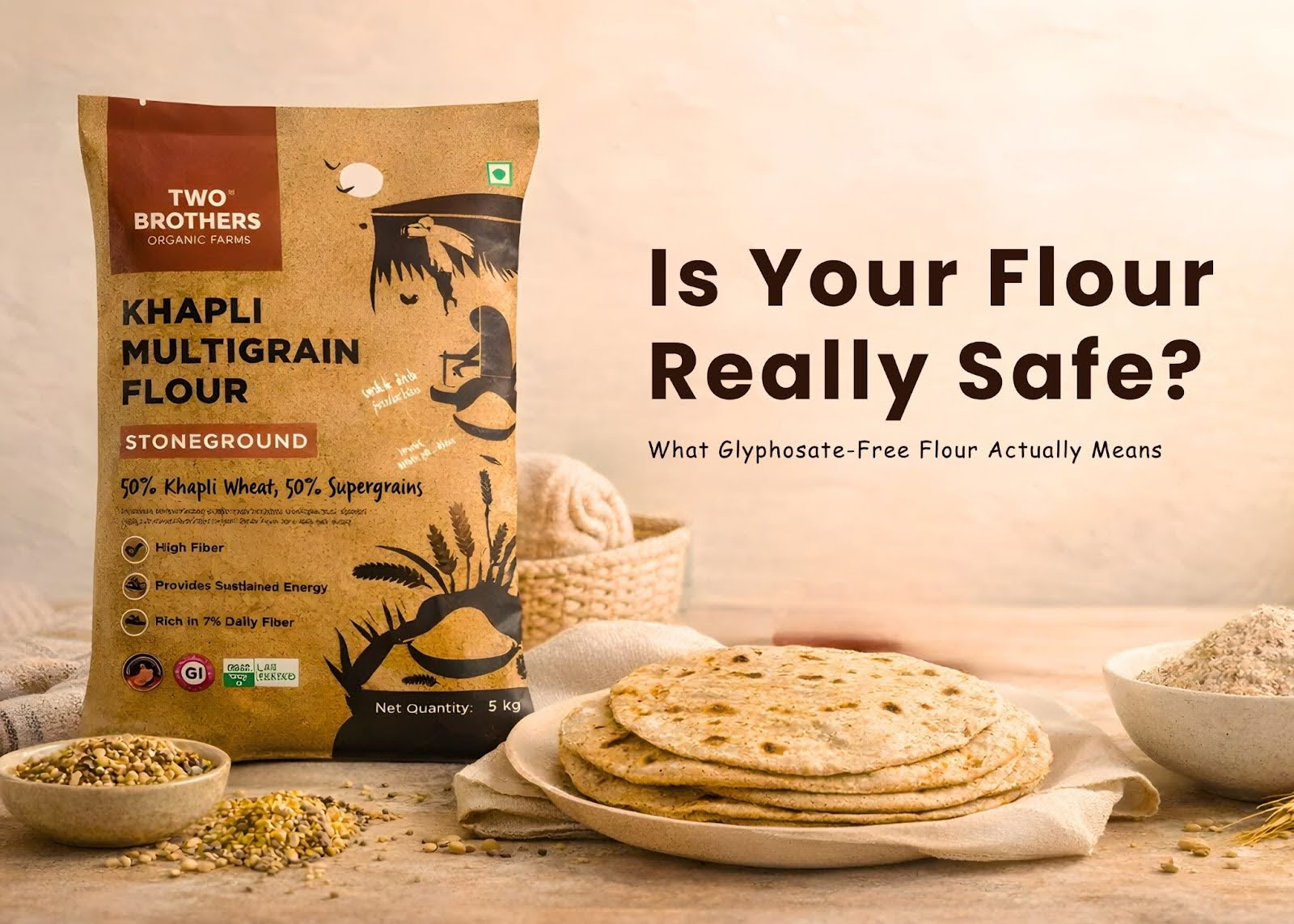
When you pick up an apple, a handful of almonds, or stone-ground organic wheat flour, you're holding nutrition in its purest form. Your body recognizes whole foods instantly and knows exactly how to use every nutrient.
How Do Processed Foods Affect Your Body Daily?
When you consume processed foods regularly, your body experiences several immediate and long-term changes. Ultra-processed foods now account for nearly 60% of U.S. adults' calorie consumption, making understanding their impact more important than ever.
Increased Calorie Consumption and Weight Gain
Processed foods override your natural fullness signals. Research shows that people on an ultra-processed diet ate about 500 calories more daily compared to those eating unprocessed foods. Your body finds these foods highly palatable, making it easier to consume more calories in shorter periods while using fewer calories for digestion.
Higher Cardiovascular Disease Risk
One of the most significant impacts involves your heart health. A large French study found that each 10% increment in ultra-processed food intake was associated with a 12% increase in cardiovascular disease risk, a 13% higher risk of coronary heart disease, and an 11% increase in cerebrovascular disease rates.
Elevated Blood Sugar and Diabetes Risk
Processed foods lack natural fiber, which is removed during manufacturing. Without fiber to slow digestion, blood sugar levels spike rapidly after eating. Studies show that higher ultra-processed food intake correlates with an increased risk of developing type 2 diabetes.
Chronic Inflammation
The chemicals and additives used in food processing can trigger inflammatory responses throughout your body. Chronic inflammation damages tissues and increases the risk of cardiovascular problems, metabolic disorders, and even cancer. Your body essentially remains in a state of low-grade emergency when regularly exposed to these artificial compounds.
What Are the Benefits of Eating Whole Foods Daily?
Switching to whole foods creates positive changes across multiple body systems. Whole foods provide nutrition the way nature intended, without the degradation that occurs during processing.
Better Nutrient Absorption
Whole foods contain fiber, vitamins, minerals, and beneficial plant compounds in their natural ratios. Fruits, vegetables, and whole grains provide antioxidant, anti-inflammatory, and anticarcinogenic compounds, including flavonoids, anthocyanins, and carotenoids. Your body recognizes these nutrients and absorbs them more efficiently than synthetic alternatives.
Improved Gut Health
Whole foods directly feed beneficial gut bacteria. Research from Purdue University demonstrates that whole-food fibers support beneficial Clostridia bacteria, which promote anti-inflammatory health outcomes. Adults need approximately 30 grams of fiber daily, yet most Americans consume only about 15 grams.
When gut bacteria ferment whole-food fibers, they produce short-chain fatty acids like butyrate. These compounds:
- Maintain gut barrier function
- Regulate host metabolism
- Provide energy for colonocytes
- Offer immunomodulatory effects
- Increase viral protection
Natural Appetite Regulation
Whole foods help your body recognize true hunger and fullness. Fiber slows digestion, stabilizing blood sugar and reducing cravings. Many people find that sugar cravings decrease significantly when their diet consists primarily of whole foods rather than processed options.
Lower Disease Risk
A diet centered on whole foods reduces rates of heart disease, cancer, and type 2 diabetes. The protective compounds in plants, combined with proper nutrient ratios, support your body's natural defense and repair systems.
Which Foods Should You Choose?
Making the switch doesn't require perfection. Small, consistent changes create meaningful health improvements over time.
Whole Foods to Emphasize

- Stone-ground flours, like organic wheat flour, instead of refined white flour
- Fresh fruits and vegetables with varied colors
- Whole grains like brown rice and millets
- Cold-pressed oils such as organic cold-pressed groundnut oil
- Natural sweeteners like organic jaggery or raw honey
-
A2 cultured ghee, for cooking instead of processed fats

Foods to Minimize
- Packaged snacks with long ingredient lists
- Sugar-sweetened beverages
- Refined grain products
- Foods with artificial colors, flavors, or preservatives
- Products with added sugars as primary ingredients
How Quickly Will You Notice Changes?
Your body begins responding to dietary changes within days. Clinical studies show that increasing fiber intake for just two weeks induces compositional changes in gut bacteria. Energy levels often improve within the first week as blood sugar stabilizes.
Longer-term benefits like reduced inflammation markers and improved cardiovascular health typically become measurable within several weeks to months of consistent whole food eating.
Frequently Asked Questions
1. What makes a food "processed" versus "ultra-processed"?
Processed foods have been altered from their natural state but retain most nutrients. Ultra-processed foods contain industrial ingredients like hydrogenated oils, high-fructose corn syrup, flavor enhancers, and emulsifiers. Check ingredient lists for items you wouldn't find in a home kitchen.
2. Can I eat any processed foods on a healthy diet?
Yes. Minimally processed foods like frozen vegetables, canned beans, or pasteurized milk can be part of a healthy diet. Focus on reducing ultra-processed items with long ingredient lists and multiple additives rather than eliminating all processing.
3. How much whole food should I aim for daily?
Aim to make whole foods the foundation of your meals. When transitioning, start by replacing one processed item per day with a whole food alternative. Gradually increase until whole foods comprise the majority of your daily intake.
4. Will Whole Foods help with weight management?
Whole foods support healthy weight management through several mechanisms. Higher fiber content increases satiety, natural nutrients support metabolism, and the absence of artificial additives helps your body regulate appetite normally. Combined with appropriate portions, whole foods make maintaining a healthy weight easier.
5. Where can I find authentic whole food products?
Look for brands that emphasize traditional preparation methods, organic certification, and minimal processing. Two Brothers Organic Farms offers stone-ground flours, cold-pressed oils, and naturally fermented products made using traditional techniques without chemicals or GMOs.