When it comes to cooking oils, especially for high-heat cooking, choosing the right one is crucial. The smoke point of oils determines their suitability for frying, roasting, and other high-temperature cooking methods. Among the popular choices, ghee (specially a2 ghee) and avocado oil stand out for their high smoke points and numerous health benefits. But which one is the best oil for frying? In this detailed comparison, we will explore the nutritional benefits, smoke points, and overall usability of ghee vs avocado oil to help you make an informed decision.

What is Ghee?
Origin and Composition
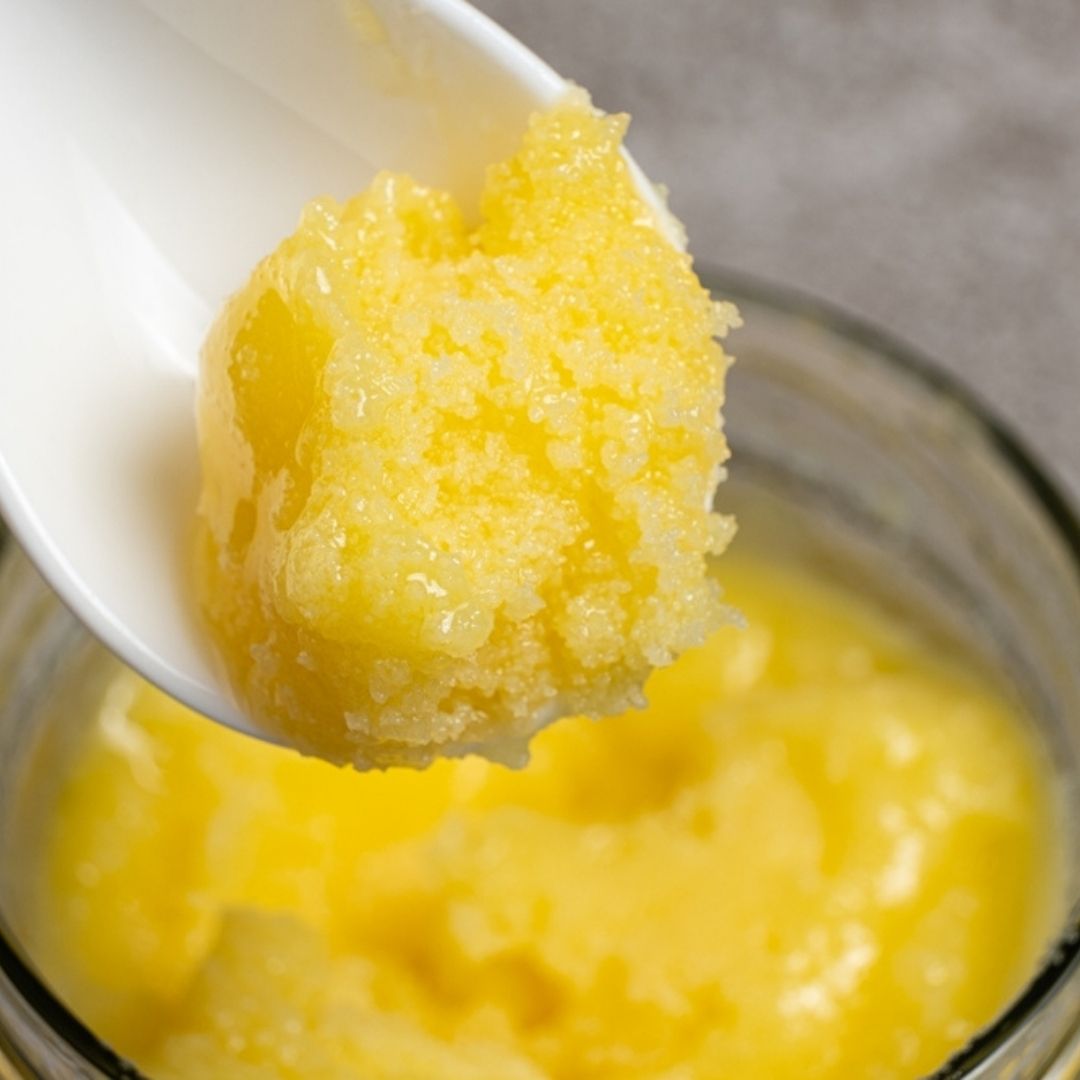
Ghee, a form of clarified butter, has been used in Indian cuisine and Ayurvedic medicine for centuries. It is made by simmering butter to remove water and milk solids, leaving behind pure butterfat.

Nutritional Benefits
Ghee is rich in:
- Healthy saturated fats
- Fat-soluble vitamins (A, D, E, and K)
- Omega-3 and Omega-9 fatty acids
- Conjugated linoleic acid (CLA), known for its anti-inflammatory properties
Smoke Point of Ghee
One of the biggest advantages of ghee is its high smoke point of around 485°F (252°C). This makes it an excellent choice for deep-frying, sautéing, and roasting without breaking down into harmful compounds.

What is Avocado Oil?
Origin and Composition
Avocado oil is derived from the pulp of avocados and is known for its high monounsaturated fat content. It is a popular choice in modern health-conscious kitchens.
Nutritional Benefits
Avocado oil is a powerhouse of nutrients, including:
- High levels of monounsaturated fats
- Vitamin E, which supports skin health
- Antioxidants that help reduce inflammation
Smoke Point of Avocado Oil
Avocado oil has an even higher smoke point of around 520°F (271°C), making it ideal for high-heat cooking, including frying and grilling.
Does Ghee or Avocado Oil Help With Gut Health?
This is a gap most comparisons miss. When people ask "is ghee or avocado oil healthier," they often forget about digestion.
Ghee contains butyrate, a short-chain fatty acid that may support the cells lining your gut. In Ayurvedic tradition, ghee has long been considered a digestive aid, often taken with warm foods to support gentle digestion.
Avocado oil is easy on the stomach and digests well. But it does not contain butyrate or any compounds traditionally associated with gut repair.
If bloating or digestion is something you deal with, ghee may offer a more targeted benefit here.
Can These Oils Support Weight Management?
Both ghee and avocado oil have similar calories, roughly 120 per tablespoon. So the calorie count is not where the difference lies.
Ghee contains medium-chain triglycerides (MCTs) that your body may convert to energy more quickly. This is one reason ghee fits naturally into keto and intermittent fasting routines.
Avocado oil's oleic acid could support healthy cholesterol balance, but does not offer the same quick-energy pathway that MCTs may provide. If you follow a low-carb or Ayurvedic eating pattern, ghee tends to integrate more naturally.
Smoke Point Comparison: Ghee vs. Avocado Oil Side by Side
Understanding the smoke point of each oil is the most practical way to determine which one belongs in your pan for a given cooking task.
|
Property |
Ghee |
Avocado Oil (Refined) |
|---|---|---|
|
Smoke Point |
485°F / 252°C |
520°F / 271°C |
|
Oxidation Stability |
Very High (saturated fat) |
High (monounsaturated fat) |
|
Best Cooking Method |
Frying, roasting, sautéing |
Grilling, searing, roasting |
|
Dairy-Free? |
No (trace milk proteins) |
Yes |
|
Flavour at High Heat |
Rich, nutty, buttery |
Neutral, mild |
The 35°F difference in smoke point between ghee and refined avocado oil is real, but it is unlikely to affect the outcome of most home cooking. At typical sautéing temperatures (350–400°F), both oils perform without breaking down or releasing harmful free radicals. The practical advantage of avocado oil's higher smoke point becomes significant only at extreme commercial frying temperatures above 500°F.
For everyday Indian cooking — tempering spices (tadka), making rotis, or stir-frying vegetables — ghee's smoke point is entirely adequate, and its flavour contribution is a meaningful part of the dish. For grilling over charcoal or searing steak in a cast-iron skillet at very high heat, avocado oil's extra tolerance provides a small but genuine safety margin.
Comparing Ghee vs. Avocado Oil for High-Heat Cooking
1. Smoke Point: Which One Performs Better?
Both ghee and avocado oil have high smoke points, making them excellent choices for frying and roasting. However, avocado oil edges out ghee slightly with a higher smoke point of 520°F, while ghee is at 485°F.
2. Best Oil for Frying: Which One is More Stable?
Frying requires an oil that remains stable under high heat. Both ghee and avocado oil excel in this area, but ghee’s natural antioxidants and saturated fat content make it slightly more resistant to oxidation compared to avocado oil.
3. Flavor Profile: How Do They Taste?
- Ghee: Has a rich, buttery, and slightly nutty flavor, enhancing the taste of dishes.
- Avocado Oil: Offers a mild, slightly grassy taste, which makes it a neutral choice for various cuisines.
4. Nutritional Value: Which One is Healthier?
Both oils provide essential nutrients, but they differ in composition:
- Ghee contains saturated fats, which support gut health and fat metabolism.
- Avocado oil is high in monounsaturated fats, known for their heart-healthy benefits.
5. Suitability for Different Diets
- Ghee: Ideal for ketogenic, paleo, and Ayurvedic diets.
- Avocado Oil: Great for Mediterranean and plant-based diets.
Ghee vs. Avocado Oil: Which is Better for Your Health Goals?
Both ghee and avocado oil deliver real nutritional value, but they support different health outcomes depending on your dietary priorities.
Ghee contains:
- Butyrate, a short-chain fatty acid that supports gut lining integrity and reduces intestinal inflammation
- Conjugated linoleic acid (CLA), linked to improved body composition and immune function
- Fat-soluble vitamins A, D, E, and K — essential for bone health, immunity, and vision
- Higher saturated fat content, which supports fat-soluble nutrient absorption and stable energy
Avocado oil contains:
- High levels of oleic acid (a heart-healthy monounsaturated fat), which can support healthy LDL and HDL cholesterol ratios
- Vitamin E, an antioxidant that protects cells from oxidative damage
- Lutein, a carotenoid beneficial for eye health
- Virtually no saturated fat, making it a common choice for Mediterranean and plant-forward diets
If your goal is gut health, fat-soluble vitamin intake, or following an Ayurvedic or ketogenic approach, ghee has a clear nutritional edge. If you are focused on cardiovascular health or following a low-saturated-fat diet, avocado oil is the more suitable option. Neither oil is universally superior — the right choice depends on your individual health goals and dietary context.
Cooking Applications: When to Use Ghee vs. Avocado Oil?
Best Uses for Ghee
- Deep-frying and stir-frying
- Baking and roasting
- Indian and Middle Eastern dishes
Best Uses for Avocado Oil
- Grilling and searing meat
- Salad dressings and drizzling over food
- Sauteing and roasting vegetables
Potential Downsides of Each Oil
Ghee
- Contains dairy traces, so not suitable for people with severe lactose intolerance.
- Slightly lower smoke point than avocado oil.
Avocado Oil
- Can be expensive compared to ghee.
- Some commercial avocado oils may be adulterated.
Ghee vs. Avocado Oil for Indian Cooking: Which Fits Better?
For those who cook Indian food regularly, this comparison takes on an added cultural and functional dimension that goes beyond generic smoke-point charts.
Ghee has been the cornerstone of Indian cooking for thousands of years. Its Maillard-friendly fat composition is ideal for tempering whole spices — mustard seeds, cumin, and asafoetida — because the rapid heat transfer produces deep aroma development without burning. Ghee also integrates seamlessly into dals, biryanis, khichdi, and parathas in a way that avocado oil simply cannot replicate in flavour terms.
Avocado oil, by contrast, is a neutral fat. While it handles the required heat without issue, it does not contribute to the flavour architecture of a dish the way ghee does. It is, however, an excellent option for:
- Cooking Indian food for guests with dairy restrictions
- Stir-frying or grilling dishes where a neutral base fat is preferred
- Households combining Ayurvedic eating with modern plant-forward diets
If authenticity and Ayurvedic alignment matter to you, ghee remains the gold standard for Indian cooking. If you need a dairy-free alternative that still handles high heat competently, avocado oil is the most functional swap available.
Final Verdict: Which One Should You Choose?
Both ghee and avocado oil are excellent for high-heat cooking. If you love buttery flavors and need a stable cooking fat, ghee is the way to go. If you prefer a neutral taste and heart-healthy monounsaturated fats, avocado oil is a better choice.
For high-quality A2 Desi Ghee, check out Desi Cow A2 Ghee.
FAQs
1. Which oil is better for deep frying, ghee or avocado oil?
Both are good for deep frying, but ghee provides better oxidative stability due to its saturated fat content.
2. What is the smoke point of ghee and avocado oil?
-
Ghee: 485°F (252°C)
-
Avocado Oil: 520°F (271°C)
3. Can I use ghee and avocado oil interchangeably?
Yes, but they have different flavors. Ghee adds a buttery taste, while avocado oil is more neutral.
4. Is ghee healthier than avocado oil?
It depends on dietary preferences. Ghee has beneficial saturated fats, while avocado oil is rich in monounsaturated fats.
5. Which oil is best for high-heat roasting?
Both work well, but avocado oil has a slightly higher smoke point, making it ideal for roasting at very high temperatures.
6. Is ghee or avocado oil better overall?
The better choice depends on your cooking goal. Ghee is superior for high-heat Indian cooking and delivers a richer flavour with gut-supporting saturated fats, while avocado oil's marginally higher smoke point and heart-healthy monounsaturated fat profile make it ideal for grilling and light sautéing. Both are premium options — your diet and taste preference should guide the decision.
7. Which is healthier - ghee or avocado oil
Both oils are nutrient-dense but serve different health goals. Ghee is rich in fat-soluble vitamins (A, D, E, K), CLA, and butyrate, which supports gut health, while avocado oil is high in oleic acid and Vitamin E, linked to reduced inflammation and heart health. Neither is unhealthier than the other - the right pick depends on whether you prioritise metabolic or cardiovascular benefits.
8. What is the smoke point difference between ghee and avocado oil, and does it matter for cooking?
Ghee has a smoke point of approximately 485°F (252°C), while refined avocado oil reaches around 520°F (271°C) - a difference of 35°F. For most everyday cooking methods (stir-frying, sautéing, roasting), both oils handle the heat equally well; the gap becomes relevant only at extreme temperatures like commercial deep-frying.
9. Is ghee considered a high-heat cooking oil?
Yes. Ghee's smoke point of 485°F (252°C) classifies it firmly as a high-heat oil, making it safe and stable for deep-frying, roasting, and sautéing. Its low moisture content and natural antioxidants also slow oxidation, so it performs more predictably than many refined vegetable oils at high temperatures.
10. When should I use avocado oil instead of ghee for cooking?
Choose avocado oil when you want a neutral-flavoured fat for grilling meat, making salad dressings, or cooking for dairy-sensitive guests, since it is completely dairy-free. Ghee is the better pick when you want a buttery flavour, are cooking traditional Indian dishes, or need a shelf-stable fat without refrigeration.
11. Can avocado oil be used as a vegan substitute for ghee?
Yes. Avocado oil is a practical plant-based substitute for ghee in most high-heat cooking applications. It is 100% dairy-free, has a similarly high smoke point, and remains stable under heat, though it will not replicate ghee's characteristic buttery flavour.
Conclusion
Both ghee and avocado oil offer excellent cooking benefits, but the right choice depends on your dietary needs and flavor preferences. Whether you choose ghee for its rich flavor or avocado oil for its mild taste, both are superior choices for high-heat cooking. Make sure to choose high-quality, pure oils to get the most benefits from your cooking experience.
For authentic Desi Ghee, check out these links: