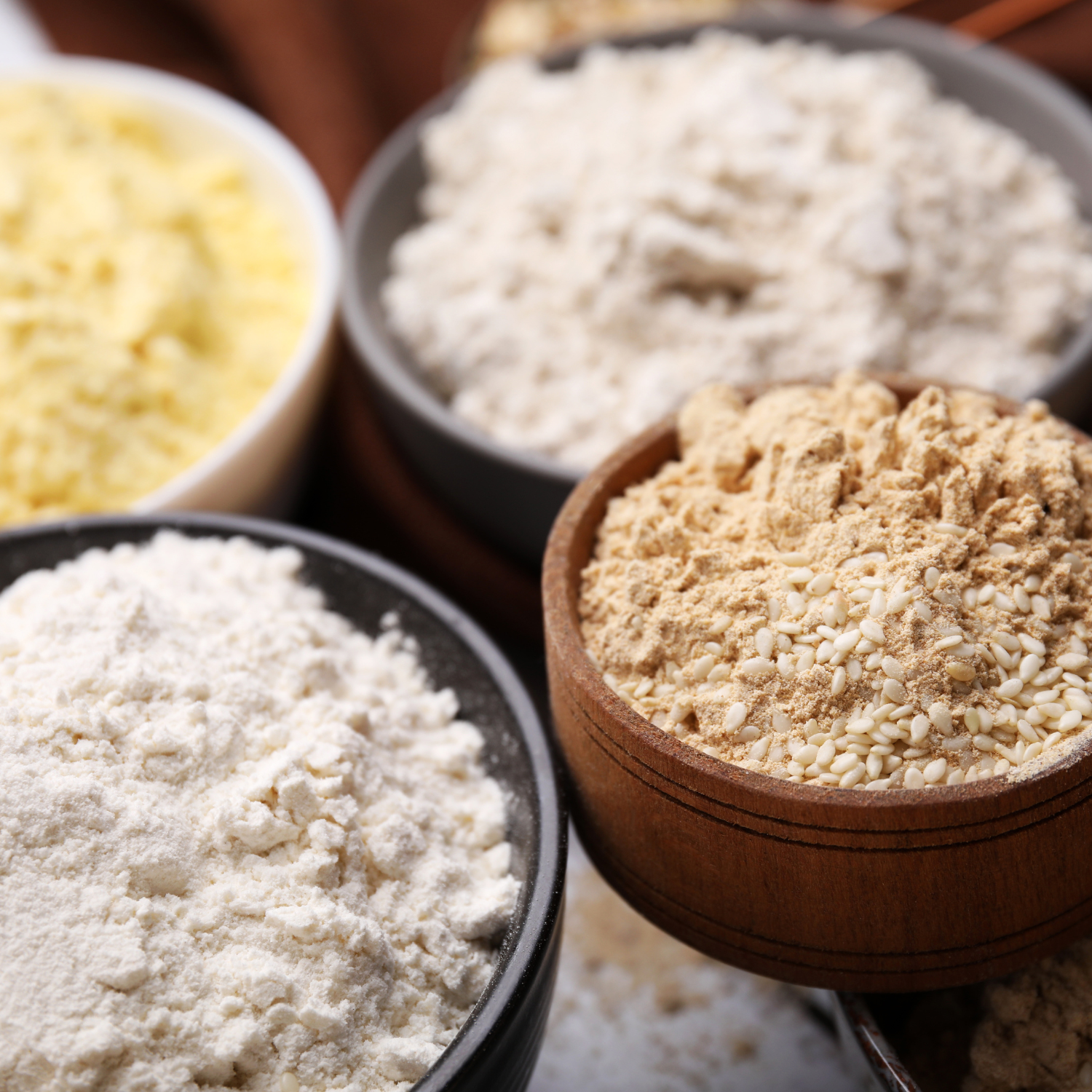
The best atta for diabetic patients is one with a low glycemic index (GI below 55), high dietary fibre, and meaningful protein - qualities that slow glucose absorption and help prevent post‑meal blood sugar spikes. For Indian households managing diabetes, the top flour choices are multigrain atta (often tested in the GI 44–50 band in specialised blends), jowar flour, bajra flour, ragi flour (finger millet), besan (chickpea flour, generally low GI), and khapli (emmer) wheat atta - all of which typically release glucose more slowly than refined wheat flour when used appropriately as part of a balanced meal.
Regular wheat atta can show GI values in the ~60–70 range depending on processing and refinement, which may cause faster rises in blood sugar for many people. Diabetic‑friendly flours work differently: their fibre content slows carbohydrate digestion, while their protein content supports better insulin response and satiety. Ragi flour, for example, is naturally gluten‑free, rich in dietary fibre, and relatively lower in rapidly digestible carbohydrates - which is why it is widely recommended as a single‑grain option for people with diabetes in Indian diets. Multigrain blends combining whole wheat with barley, oats, bajra, ragi, and other millets are often formulated to deliver a lower overall GI while still giving a soft, workable dough for rotis.
When selecting the best atta for diabetes management, look for:
- Low glycemic index mentioned or verified on packaging,
- Whole grain or stone-ground milling that retains bran,
- Absence of refined maida in the ingredient list, and
- A blend of at least 3–5 whole grains or legumes for a stronger nutritional profile.

Best Flour Options for People with Diabetes
There are various options to consider while selecting the best atta for individuals with diabetes. Let's look at some of the best flour options that are safe for people with diabetes.
Best Flour Options for People with Diabetes
There are various options to consider while selecting the best atta for individuals with diabetes. Let's look at some of the best flour options that are safe for people with diabetes.
Low Glycemic Whole Wheat Flour

Since whole wheat flour is an excellent source of nutritional fiber and complex carbs, it is well-liked by diabetics. Compared to refined wheat flour, it has a lower glycemic index, which means that blood sugar levels rise more gradually and more slowly. Whole wheat flour's high fiber content promotes healthy digestion and blood sugar regulation. For the greatest health advantages, whole wheat flour that is stone-ground or unrefined is essential.
Ragi and Bajra Millet Flours

Because of their high fiber content and low glycemic index, millet flours like ragi and bajra flour are great options for diabetics.
-
Ragi flour: Also referred to as finger millet, ragi is high in dietary fiber and has a low glycemic index. It facilitates improved digestion and blood sugar regulation. Pancakes and bread can be made with ragi flour.
-
Bajra flour: Another millet flour with a low glycemic index is bajra, sometimes referred to as pearl millet. Because of its high fiber and nutrient content, it is a good option for people with diabetes. You may make flatbreads and other baked items with bajra flour.
Patients with diabetes can get a range of nutrients while controlling their blood sugar levels by incorporating millet flours into their diet.
Complete Glycemic Index Guide: All Flours for Diabetes
Choosing the best flour for diabetes depends on its glycemic index (GI), fibre content, and protein profile. Below is a comparison of flours ranked by their blood sugar impact:
Lowest GI Flours (GI below 35 - best for strict blood sugar control):
Almond flour (GI ~1) is the lowest-GI flour option, very low in carbohydrates and rich in healthy fats and protein — suitable for baked goods and pancakes, though it produces a denser texture. Besan (chickpea flour, GI ~40) is a staple Indian option: high in protein, soluble fibre, and essential minerals, making it an excellent daily roti addition when blended with whole wheat.
Low-to-Medium GI Flours (GI 40–55 - best for daily Indian cooking):
Oat flour (GI ~44) contains beta-glucan, a soluble fibre clinically shown to reduce post-meal glucose spikes and improve insulin sensitivity. Barley flour (jau atta, GI 53–66) is among the richest sources of beta-glucan available as an Indian flour and has been shown to lower LDL cholesterol alongside blood sugar. Jowar flour (sorghum, GI ~50) is gluten-free, high in fibre, and a practical millet for daily roti-making. Multigrain atta blending wheat, barley, oats, bajra, and ragi typically achieves a GI of 44–50.
Flours to Limit (GI 60+):
Regular whole wheat atta (GI 60–72) is better than maida but not ideal as a standalone flour for sugar patients. Maida (refined white flour, GI 85+) should be avoided entirely — it causes rapid blood sugar spikes.
For best results, pair any low-GI flour roti with high-fibre vegetables, dal, and a source of healthy fat such as ghee, which further slows glucose absorption.
Amaranth Flour to Boost Your Nutrient Levels

Patients with diabetes can benefit nutritionally from amaranth flour. It is abundant in B vitamins, iron, and magnesium, among other vital elements. Additionally, amaranth flour has a low glycemic index, which means that it doesn't quickly raise blood sugar levels. Amaranth flour's high fiber content promotes healthy digestion and blood sugar regulation. Amaranth flour can add nutrients to the diet while maintaining stable blood sugar levels.
Quinoa Flour: A Comprehensive Source of Protein
Quinoa flour is becoming more and more well-liked due to its nutritional advantages, particularly for those with diabetes. It has every necessary amino acid, making it a complete protein supply. Additionally, quinoa flour is good for sustaining stable blood sugar levels due to its low glycemic index. Quinoa flour's high protein content aids in weight management and satiety promotion. Patients with diabetes can get a range of nutrients and assist blood sugar control by using quinoa flour in their diet.
Heart-Healthy Oat Flour
Due to its heart-healthy qualities, oat flour is a great choice for people with diabetes. It has soluble fiber, which supports heart health by lowering cholesterol. Quinoa flour is becoming more and more well-liked due to its nutritional advantages, particularly for those with diabetes. It has every necessary amino acid, making it a complete protein supply. Additionally, quinoa flour is good for sustaining stable blood sugar levels due to its low glycemic index. Quinoa flour's high protein content aids in weight management and satiety promotion. Patients with diabetes can get a range of nutrients and assist blood sugar control by using quinoa flour in their diet.
Omega-3-Rich Chia Flour
Omega-3 fatty acids are good for heart health and are abundant in chia flour. Additionally, because of its low glycemic index, it is appropriate for people with diabetes. Because of its high fiber and protein content, chia flour helps to regulate blood sugar levels and encourages fullness. Chia flour can supplement the diet with vital nutrients and assist blood sugar regulation and heart health.
Fiber-Dense Flaxseed Flour
Dietary fiber, which improves digestion and helps control blood sugar levels, is abundant in flaxseed flour. Additionally, because of its low glycemic index, it is appropriate for people with diabetes. Omega-3 fatty acids and lignans, which offer several health advantages, are abundant in flaxseed flour. Including flaxseed flour in the diet can help control blood sugar levels and offer a substantial amount of fiber.
Knowing About the Glycemic Index in Atta
The rate at which carbs in food are converted to glucose and absorbed into the bloodstream, raising blood sugar levels, is gauged by the glycemic index (GI). For diabetic individuals, knowing an atta's glycemic index is essential since it makes selecting the appropriate atta easier in terms of controlling blood sugar levels. Low glycemic index foods take longer to digest and absorb, which causes blood sugar levels to rise more gradually.
Glycemic Index: What Is It?
A ranking system called the glycemic index (GI) gauges how rapidly food's carbs elevate blood sugar levels. Higher numbers on the scale, which ranges from 0 to 100, indicate a quicker rise in blood sugar levels. Foods with a low glycemic index result in a slower and more steady rise in blood sugar levels, whereas foods with a high glycemic index induce a quick surge. Selecting foods low on the glycemic index can aid in better blood sugar regulation and general health promotion.
How Blood Sugar Levels Are Affected by Low GI
Eating foods low on the glycemic index (GI) can help control blood sugar levels. Blood sugar levels rise more gradually and more slowly after eating low-GI foods because they are absorbed and processed more slowly. Better blood sugar regulation and a reduction in abrupt blood glucose spikes and crashes are the outcomes of this. Better blood sugar control and general health can be achieved by including low GI items in the diet, such as diabetic atta choices such whole wheat flour, millet flours, amaranth flour, quinoa flour, oat flour, chia flour, and flaxseed flour. Choosing the Correct Flour to Manage Diabetes
For diabetes control, choosing the appropriate flour is essential to properly controlling blood sugar levels. Here are some things to think about while selecting flour to manage diabetes.
Analyzing the Nutritious Content
The nutritional value of flour should be taken into account while choosing it for diabetes management. Seek for flour that is high in protein, fiber, vitamins, and minerals—essential nutrients. For those with diabetes, whole grain flour options such whole wheat flour, millet flours, amaranth flour, quinoa flour, oat flour, chia flour, and flaxseed flour offer an excellent nutritional balance. It's also critical to take into account the protein content because it helps regulate blood sugar levels and encourages fullness.
Examining Labels: Recognizing Complete Grains
It's critical to study labels and look for whole grains when selecting the best flour for diabetics. Grains that still have the bran, germ, and endosperm are used to make whole grain flour, which is a healthier alternative to refined flour. It's crucial to read labels because certain flour manufacturers may make claims about being "diabetic friendly" despite not always using whole grains.
Look for terms like "whole wheat," "whole grain," or "wholemeal" on the box to identify whole grain flour. Verify that a whole grain—such as whole wheat, whole barley, or whole oats—is the first component mentioned. Products with additional sugar or processed components should be avoided. Patients with diabetes can improve their blood sugar control and general health by selecting whole grain flour, which has a lower glycemic index, more fiber, and more vital minerals.
The Advantages of Low-GI Flour
Selecting flour with a low glycemic index (GI) helps diabetics control their blood sugar levels better, maintain better heart health, and control their weight, among other advantages.
Better Control of Blood Sugar
Better blood sugar control is one of the main advantages of low GI flour for diabetics. Low GI foods take longer to digest and absorb, which causes blood sugar levels to rise more gradually. This encourages improved insulin sensitivity and aids in the management of blood sugar increases. Low GI flour helps diabetics better control their blood sugar levels and lower their chance of developing consequences like diabetic neuropathy and cardiovascular disorders that are brought on by uncontrolled blood sugar. It also aids in minimizing abrupt energy dips by helping to maintain steady energy levels throughout the day.
Better Heart Health
Selecting low-GI flour can help improve heart health in addition to controlling blood sugar levels. Lower levels of poor cholesterol (LDL cholesterol) and a lower risk of heart disease have been linked to foods having a low GI.
Dietary fiber is abundant in whole grain flour, which is frequently utilized to make flour that is suitable for diabetics. Because fiber binds to cholesterol in the digestive tract and encourages its evacuation, it lowers cholesterol levels. Diabetic patients can lower their risk of cardiovascular illnesses and enhance their heart health by including low-GI flour in their diet.
Benefits of Weight Management
Effective weight management is a crucial component for those with diabetes. Selecting flour with a low GI can help control weight and possibly encourage weight loss.
Low GI foods are slowly absorbed and digested, helping to keep you full and avoid abrupt hunger sensations. For those trying to maintain a healthy weight or reduce weight, this may be helpful. Moreover, low-GI flour frequently has fewer carbohydrates, which makes it a good option for anyone on a low-carb diet.
Diabetic individuals can improve their general health and well-being and more effectively manage their weight by adding low-GI flour to their diet.
Conclusion
For people with diabetes, selecting the appropriate flour is essential to regulating blood sugar levels. Whole wheat, millet, amaranth, quinoa, oat, chia, and flaxseed flours are great choices because of their low GI. These provide benefits for heart health and weight management in addition to helping with blood sugar regulation. When assessing nutritional value, give special attention to whole grains and options high in fiber. You may make diabetic-friendly dishes at home by mixing different types of flour and adding nuts and seeds. Choosing low-GI flour guarantees a well-balanced diet that promotes general health and facilitates efficient diabetes management.
FAQ
Which atta is best for diabetic patients in India?
The best atta for diabetic patients is a multigrain blend of whole wheat, jowar, bajra, ragi, and barley, with a GI of 44–50. Khapli (emmer) wheat atta is also an excellent single-grain option due to its lower gluten content and slower digestion rate.
Is whole wheat atta good for sugar patients?
Yes. Whole wheat atta is better than refined maida for sugar patients — it has more dietary fibre and a lower glycemic index, causing a slower blood sugar rise. However, blending it with jowar, bajra, or besan further lowers the GI.
What is the glycemic index of multigrain atta?
Multigrain atta typically has a glycemic index of 44–50, compared to 60–72 for regular whole wheat atta and 85+ for maida. Blends with higher proportions of barley, oats, and millets achieve a lower GI and better blood sugar control.
Can diabetic patients eat roti every day?
Yes. Diabetic patients can eat roti daily if it is made from low-GI flour such as multigrain, ragi, jowar, or bajra atta. Pairing the roti with dal, sabzi, and a source of healthy fat slows glucose absorption further.