Butter is a cornerstone of many culinary traditions, beloved for its rich flavor and versatility. But what if you could achieve the same results—or even better—with ghee? This article explores whether ghee can be a substitute for butter and delves into its benefits, uses, and why it’s becoming a favorite in kitchens worldwide.
As we unravel the details, you’ll learn about ghee benefits, ghee making, its connection to the Indian kitchen, and why many prefer it over butter. Let’s dive in to discover all you need to know about using ghee as a butter alternative.
What Is Ghee?
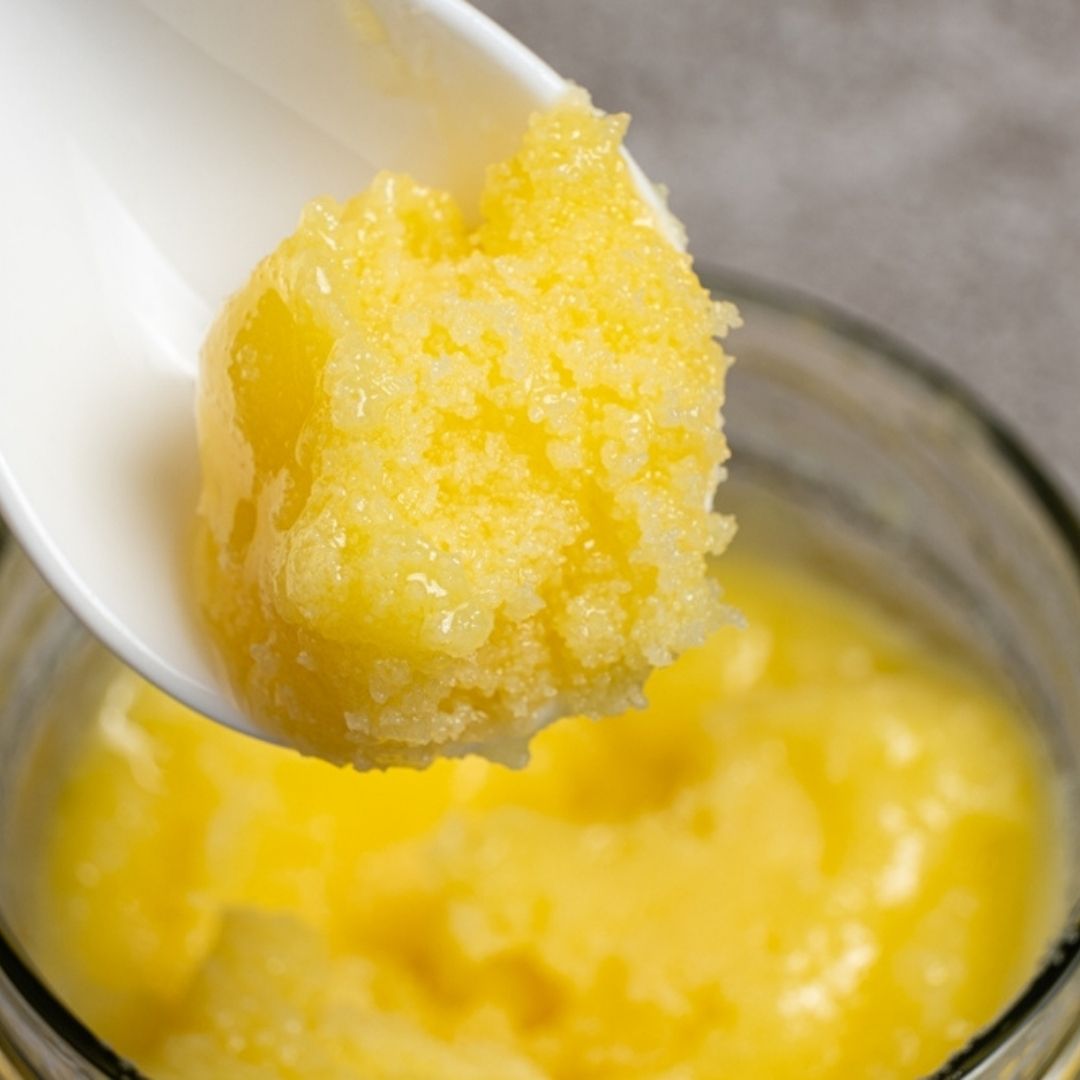
Before deciding whether ghee is a suitable substitute for butter, it's essential to understand ghee itself. Derived from butter, ghee is what you get when butter is simmered and clarified, removing water and milk solids. This process not only enhances its flavor but also extends its shelf life.
Ghee has been a staple in the Indian kitchen for centuries, prized for its robust aroma and high smoke point. It’s also a go-to ingredient in Ayurveda, where it’s considered a "liquid gold" due to its numerous health benefits. Today, ghee is available in organic and grass-fed varieties, ensuring high quality for health-conscious consumers.
Explore the purity of ghee in our Desi Cow A2 Ghee collection from Two Brothers USA.

Ghee vs. Butter: Key Differences
While ghee originates from butter, there are notable distinctions:
1. Smoke Point
Ghee has a higher smoke point (approximately 485°F) compared to butter (350°F). This makes ghee perfect for high-heat cooking like sautéing, frying, and roasting.
2. Lactose and Casein Content
Since ghee is free of milk solids, it’s virtually lactose-free, making it a safe option for those with dairy sensitivities.
3. Flavor Profile
Ghee offers a nutty, caramelized taste that’s deeper than butter’s creamy flavor. This unique profile enhances dishes with a rich, complex depth.
4. Shelf Life
Unlike butter, ghee doesn’t require refrigeration. Its lack of water content makes it shelf-stable for months.
For more insights, check out Two Brothers USA Desi Ghee.

Ghee Benefits: Why Choose Ghee Over Butter?
Switching to ghee offers numerous advantages beyond just culinary applications. Let’s explore its benefits:
1. Rich Nutrient Profile
Ghee is a source of fat-soluble vitamins like A, D, E, and K. These vitamins support immune function, bone health, and skin vitality. Learn about Turmeric Ghee Benefits to further understand ghee’s role in wellness.
2. Digestive Health
Ghee contains butyrate, a short-chain fatty acid known to support gut health and reduce inflammation.
3. Weight Management
Contrary to popular belief, the healthy fats in ghee can promote satiety and boost metabolism.
4. High-Heat Cooking
Thanks to its high smoke point, ghee is ideal for frying and sautéing without breaking down into harmful compounds.
5. Versatility
From bulletproof coffee to baked goods, ghee’s versatility knows no bounds. It’s an excellent replacement for butter in virtually every recipe.
How to Use Ghee as a Butter Substitute
Substituting ghee for butter is simple, but there are a few considerations to keep in mind:
1. Baking
Ghee can replace butter in a 1:1 ratio in most baking recipes. However, since ghee lacks water, it may slightly alter the texture. For recipes requiring moisture, consider adding a small amount of milk or cream.
Using Ghee Instead of Butter in Cookies, Brownies, and Cakes
Different baked goods respond to ghee in different ways. Here is what to expect:
Cookies
Swap butter for ghee at a 3/4:1 ratio (3/4 cup ghee per 1 cup butter). Ghee produces slightly crispier edges and a richer, nuttier flavour. For chewy cookies, add 1 tablespoon of milk to restore moisture.
Brownies
Use a 1:1 ratio. Ghee enhances the fudgy texture and adds a caramel undertone that pairs naturally with chocolate. No other adjustments needed.
Cakes and Banana Bread
Use 3/4 cup of ghee for every 1 cup of butter. Because cakes rely on moisture for a tender crumb, add 2 tablespoons of milk or buttermilk back into the batter to compensate for ghee's lower water content. The result is a moist, flavourful loaf with a golden finish.
2. Cooking
For sautéing or frying, use ghee as you would butter or oil. Its high smoke point ensures no burning or bitterness.
Can You Use Ghee Instead of Butter in White Sauce Pasta and Garlic Bread?
Ghee works beautifully in savoury cooking, and two of the most searched use cases are white sauce pasta and garlic bread.
White Sauce (Bechamel) Pasta
Replace the butter in your roux with an equal amount of ghee. Melt the ghee over medium heat, whisk in the flour, then add warm milk as usual. The sauce will have the same silky consistency with a slightly nuttier, richer depth of flavour. Because ghee has a higher smoke point than butter, there is no risk of the base burning before the flour cooks out.
Garlic Bread
Melt ghee and mix with minced garlic, fresh parsley, and a pinch of salt. Brush generously over bread and toast as normal. The result is crispier, more flavourful garlic bread with a golden finish that butter rarely achieves.
3. Spreading
While ghee’s texture is different from butter, it’s still delicious when spread on bread or used as a topping for warm dishes like rice or vegetables.
Spreading Ghee on Bread, Toast, and Sandwiches
Yes, you can absolutely use ghee in place of butter as a spread. At room temperature, ghee has a soft, scoopable consistency that is easy to apply. Here is how it works across everyday uses:
- Toast and bread: Spread melted or soft ghee directly onto warm toast. It absorbs quickly and leaves a rich, nutty flavour without the watery residue butter can leave.
- Sandwiches: Use room-temperature ghee as a direct butter replacement on sandwich bread. The flavour is slightly more pronounced than butter, so a light application goes a long way.
- Warm dishes: A small spoonful of ghee on hot rice, rotis, or steamed vegetables melts instantly and acts as a finishing butter with added aroma and nutrients.
Note: Ghee does not spread as easily from the fridge as butter since it solidifies at cooler temperatures. For the best experience, keep a small portion at room temperature in a sealed jar.
Ghee to Butter Ratio: How Much Ghee Should You Use?
One of the most common questions when switching to ghee is getting the quantity right. The good news: in most cases you can use ghee and butter in a straight 1:1 swap. The only exception is baking, where ghee's lack of water content means you'll want to scale back slightly to avoid over-richness.
Standard Ghee-to-Butter Conversion Chart
Use the table below as your quick reference whenever a recipe calls for butter:
|
Butter |
Ghee |
Best For |
|
1 cup |
1 cup |
Sauteing, roasting, curries, dals |
|
1 cup |
3/4 cup |
Baking (cakes, muffins, banana bread) |
|
1 tbsp |
1 tbsp |
Spreading, toast, finishing dishes |
|
1 tbsp |
3/4 tbsp |
Cookie dough, brownie batter |
|
1/2 cup |
1/2 cup |
Pasta sauces, garlic bread |
Pro tip: Because ghee contains no water, baked goods made with a full 1:1 swap may turn out slightly denser. If your recipe already includes milk, yogurt, or cream, a straight swap works perfectly without any adjustment.
Organic Ghee: A Step Above
When choosing ghee, opt for organic and grass-fed varieties. Two Brothers Organic Ghee ensures purity and exceptional taste, free from additives or artificial processes.
Why Organic Matters
Organic ghee is made from the milk of grass-fed cows, ensuring higher nutrient content and ethical production practices. Grass-fed ghee is particularly rich in Omega-3 fatty acids and conjugated linoleic acid (CLA), known for their health benefits.
The Role of Ghee in the Indian Kitchen
In the Indian kitchen, ghee is indispensable. It’s used in everything from curries and dals to desserts like halwa and laddoos. Its rich aroma and flavor elevate traditional recipes, making it a cherished ingredient.
Explore more about ghee’s cultural significance and cooking applications at Two Brothers Ghee.
Conclusion
Can ghee be substituted for butter? The answer is a resounding yes. With its rich flavor, high smoke point, and health benefits, ghee outshines butter in many culinary applications. Whether you’re a professional chef or a home cook, incorporating ghee into your kitchen repertoire is a choice you won’t regret.
For the highest quality ghee, explore Two Brothers USA’s Organic Ghee. Your dishes will thank you!
FAQs About Ghee as a Butter Substitute
1. Can ghee be used in all recipes that require butter?
Yes, ghee can replace butter in most recipes, though you may need to adjust for moisture content in baked goods.
2. Is ghee healthier than butter?
Ghee offers additional health benefits like being lactose-free, rich in vitamins, and suitable for high-heat cooking. However, both should be consumed in moderation.
3. Where can I buy ghee?
You can find ghee in local grocery stores, specialty shops, or online retailers like Two Brothers USA.
4. What’s the difference between ghee and clarified butter?
While similar, ghee is simmered longer than clarified butter, giving it a nuttier flavor and longer shelf life.
5. Can ghee be made at home?
Absolutely! Making ghee involves simmering unsalted butter to remove water and milk solids. For detailed guidance, check out tutorials on ghee-making.
6. Can ghee replace butter?
Yes, ghee can replace butter in virtually every cooking and baking application. For cooking, roasting, and spreading, use a straight 1:1 ratio. For baking, use 3/4 cup of ghee per cup of butter and add a splash of milk to compensate for ghee's lower water content. Ghee also has a higher smoke point than butter (485 degrees F vs. 350 degrees F), making it a better choice for high-heat cooking. It is virtually lactose-free, rich in fat-soluble vitamins, and adds a rich, nutty depth of flavour that butter cannot match.
7. Can I use ghee instead of butter in cookies and brownies?
Yes. For cookies, use 3/4 cup ghee per cup of butter called for and add a tablespoon of milk if you prefer a chewier result. For brownies, a straight 1:1 swap works perfectly and actually enhances the fudgy texture with a subtle caramel note.
8. What is the ghee to butter ratio for baking?
For most baked goods such as cakes, banana bread, and muffins, use 3/4 cup of ghee for every 1 cup of butter. For cooking, roasting, and spreading, a 1:1 ratio works in all cases.
9. Can I use ghee instead of butter in white sauce pasta?
Yes. Replace the butter in your bechamel roux with an equal amount of ghee. The sauce will have the same creamy texture with a slightly richer, nuttier flavour. No other changes to the recipe are needed.
10. Can I use butter instead of ghee if I do not have ghee?
Yes, but with a few caveats. Butter has a lower smoke point (around 350 degrees F vs. 485 degrees F for ghee), so it is not suitable for very high-heat cooking. For baking, spreading, and low-to-medium-heat cooking, butter is a workable substitute in a 1:1 ratio.
11. Are ghee and butter interchangeable in all recipes?
In most recipes, yes. The key differences to keep in mind are: ghee has no water content (which affects texture in baking), a higher smoke point (better for frying), and a nuttier flavour profile. For high-heat cooking and dairy-sensitive diets, ghee is clearly the better choice.
12. Can you mix ghee and butter together in cooking?
Absolutely. Combining ghee and butter is a great way to get the benefits of both. The ghee raises the overall smoke point of the mixture while the butter contributes its familiar creamy flavour. A 50/50 blend works well for pan sauces and sauteed vegetables.