Maharashtra's version of Bhagar, or varicha bhat, is a gastronomic treasure. A mainstay of Maharashtrian cuisine, this spicy pilaf is cherished for its hearty deliciousness and deep flavors. Bhagar is made with barnyard millet and is usually cooked on fasting days, therefore people who follow Hindu fasts often choose to eat it.
Bhagar is distinguished by its special blend of spices and aromatic herbs, which give the food a unique flavor. The addition of cumin seeds, green chilies, cilantro, and curry leaves gives Bhagar a taste boost and a burst of freshness.
Bhagar is not just a delicious but healthful lunch choice. Bhagar's primary ingredient, barnyard millet, is a wholesome, high-fiber grain. Moreover, it is free of gluten, so those who have celiac disease or gluten intolerance can use it. Bhagar's nutritional content is further increased by the use of spices and herbs, making it a filling and healthy dish.
Bhagar is easy to prepare and only needs a few ingredients. You may make a delicious and fragrant meal that everyone will like with the correct methods and a few pointers and tactics.
Bhagar, also known as Vari Bhat or Varicha Bhat in Marathi, is made from Barnyard Millet—not rice, despite being called "fasting rice." In English, the main ingredient is simply called Barnyard Millet, a nutritious grain that's naturally gluten-free and perfect for Hindu fasting days. Regional names include Samo (Gujarati), Kuthiraivali (Tamil), and Oodalu (Kannada).
Lets understand, Bhagar: A Maharashtra’s Culinary Gem
In Maharashtrian cuisine, bhagar, sometimes called variche bhat, is a spicy pilaf that has a special place. Barnyard millet, renowned for its distinct flavor and nutritional advantages, is used in its preparation. Since the term "varicha" means "fasting," it is likely that Bhagar is made on days when Hindus fast. With each bite, the right balance of spices and fragrant herbs creates a symphony of tastes in this delectable dish. Bhagar is a very flexible dish that goes well with a variety of side dishes or can be eaten on its own.

What Is Bhagar Made From? Understanding the Main Ingredient
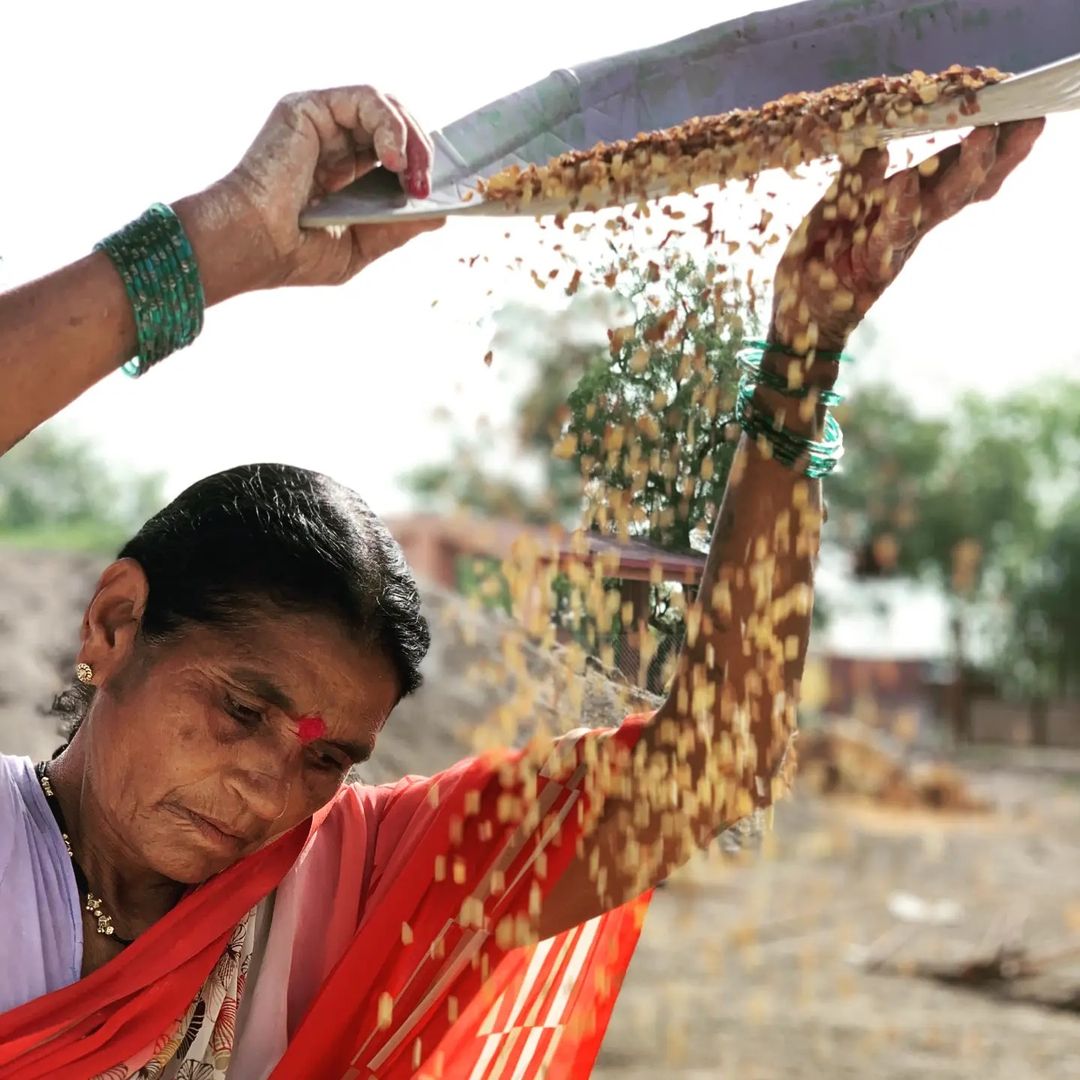
Bhagar is made from Barnyard Millet (Echinochloa species), a small-grained ancient grain that looks different from regular rice. While rice grains are white and elongated, barnyard millet grains are smaller, rounder, and have a pale cream or light brown color.
Barnyard Millet vs Regular Rice - Key Differences
Though commonly called "fasting rice," barnyard millet is not rice at all. It's a millet grain that's significantly higher in fiber (12g per 100g compared to rice's 2g), has more protein, and contains essential minerals like iron and phosphorus. The term "fasting rice" comes from its traditional use during Hindu fasts when regular grains are avoided. Nutritionally, barnyard millet has a low glycemic index (around 50), making it ideal for blood sugar management.

Health Benefits: Why Choosing Bhagar Is a Wise Move
Bhagar is a wise option for a nutritious supper in addition to being a tasty dish. It's a healthy choice because the main ingredient is barnyard millet. Barnyard millet is one of the millets that is well-known for having a high nutritious value. It has a lot of fiber, which promotes gut health and facilitates digestion.
The fact that Bhagar is gluten-free is one of its main advantages. Gluten is a protein that can cause digestive problems for people who have celiac disease or gluten intolerance. Gluten can be found in wheat and other cereals. Bhagar is transformed into a delicious and safe gluten-free option by adding barnyard millet.
Moreover, adding spices and herbs to Bhagar improves its flavor and offers a number of health advantages. Spices that help with digestion and have anti-inflammatory qualities include cumin seeds and green chilies. All in all, Bhagar is a filling and healthy dish that is suitable for all dietary preferences.
One hour and twenty minutes for preparation
15 to 20 minutes for cooking
Easy in terms of difficulty
Making Bhagar for Fasting (Vrat/Upvas)
When preparing Bhagar for religious fasts like Navratri, Ekadashi, or Chaturthi, specific ingredient modifications are essential to maintain the sanctity of the fast.
Essential Fasting Ingredient Swaps
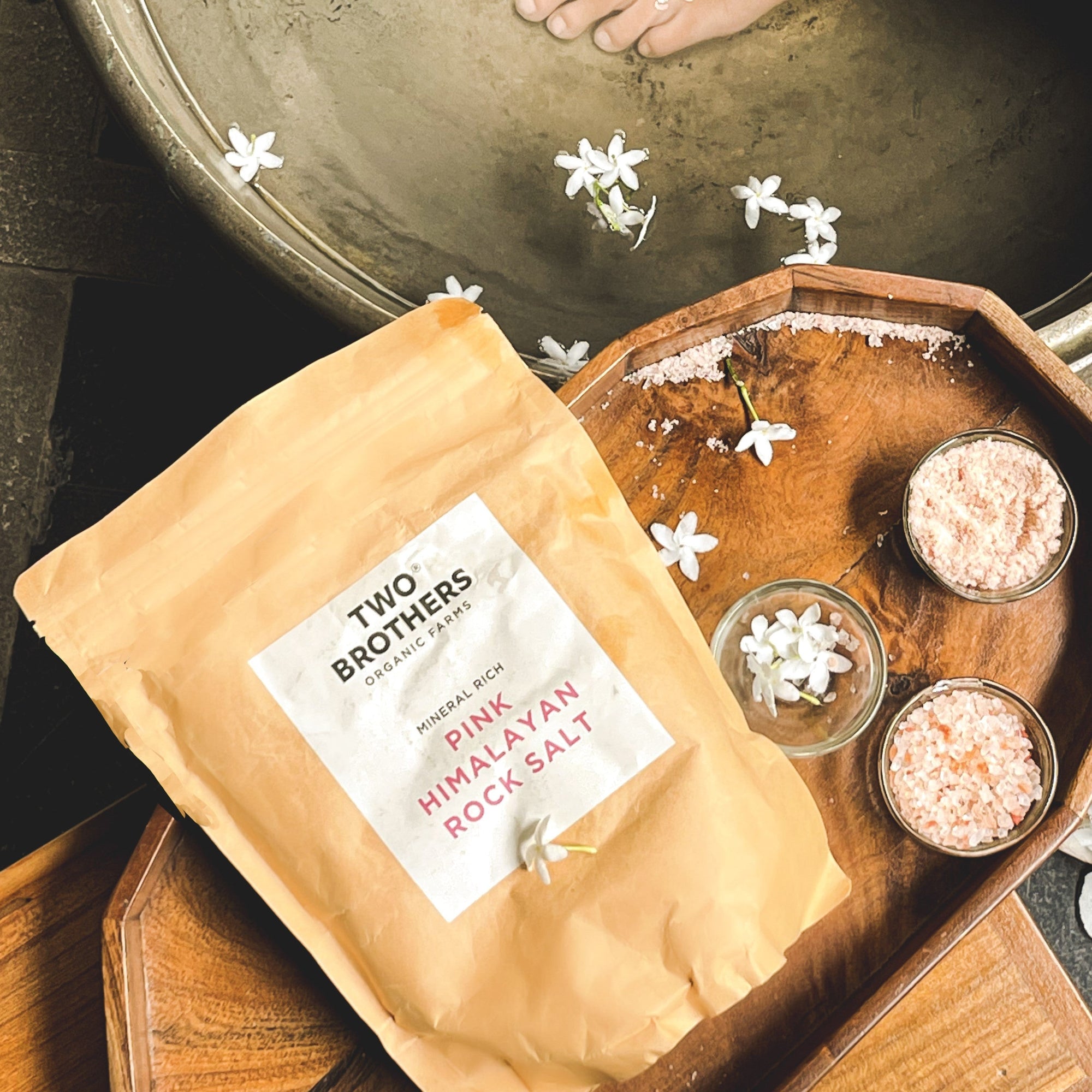
The most important change is using Sendha Namak (rock salt or Himalayan pink salt) instead of regular table salt, as processed salts are prohibited during Hindu fasts. Use pure ghee or peanut oil for cooking—avoid refined oils. For vegetables, stick to fasting-approved options like potatoes, bottle gourd (lauki), pumpkin, sweet potato, and raw banana. Avoid onion, garlic, and regular spices like turmeric or asafoetida (hing).
Suitable Fasting Occasions
Bhagar is traditionally prepared during:
-
Navratri (9-day fasting period)
-
Ekadashi (11th day of lunar cycle, twice monthly)
-
Mahashivratri and other Hindu vrat days
-
Chaturthi fasting
Always verify ingredients match your specific fasting traditions, as practices vary by region and community.
Getting the Ingredients Ready
It's crucial to get the components for Bhagar ready before starting to cook. The essentials are as follows:
- Ghee: two tablespoons
- One cup of barnyard millet
- Two potatoes
- Three pieces of kokum
- Four chopped green chilies
- Roasted Almonds
- 1-Tbsp, cumin seeds
- Salt
- Three to five cups of water
Comprehensive Cooking Guide
To prepare the ideal Bhagar, adhere to this detailed recipe:
-
Lightly toast the barnyard millet by dry roasting it and then set it aside.
-
Add ghee to a wok or pan and cook potatoes until they are half done.
-
To unleash their flavors, add the curry leaves, cumin seeds, and green chilies and sauté them well.
-
For a tart twist, add kokum. Then, add water and heat until it boils.
-
After the potatoes are tender, thoroughly whisk in the toasted millet.
-
Continue adding water and stirring the millet until it reaches the right consistency.
-
Add salt for seasoning and fresh cilantro for garnish.
-
Present the aromatic and hot Bhagar and savor it.

Some Advice for Soaking and Preparing Millet
It is best to soak the barnyard millet for several hours or overnight before boiling it for Bhagar. Soaking shortens cooking times and aids in the removal of contaminants. Rinse the millet well after soaking to get rid of any extra dirt or debris. This stage provides the pilaf a fluffy texture and guarantees that the millet cooks evenly. Before using the rinsed millet in the recipe, make sure all of the water has been drained. You can consistently prepare and soak barnyard millet to make the perfect Bhagar pilaf by using these tips and techniques.
Common Mistakes When Cooking Bhagar
Even with a simple recipe, a few common errors can affect the final texture and taste of your Bhagar.
Top 3 Mistakes to Avoid
1. Not Soaking Long Enough: Barnyard millet needs at least 2-3 hours of soaking (overnight is ideal). Insufficient soaking results in hard, partially cooked grains that remain chewy even after extended cooking.
2. Using Too Much Water: The ideal water-to-millet ratio is 2.5:1 to 3:1. Excess water makes Bhagar mushy, sticky, and porridge-like instead of fluffy with separate grains. If you accidentally add too much water, cook uncovered on medium heat to evaporate the excess.
3. Skipping the Dry Roasting Step: Toasting the millet after soaking (and draining) is crucial. This step removes surface moisture, enhances the nutty flavor, and ensures each grain stays separate during cooking. Just 3-4 minutes of light toasting makes a significant difference.

Information on Nutrition
Bhagar is a filling and healthful dish made with a blend of spices and vegetables and barnyard millet. It is a great option for anyone trying to maintain a balanced diet because it is high in protein and low in calories. A wonderful source of dietary fiber that facilitates digestion and supports gut health is barnyard millet. Vegetables give vital vitamins and minerals, which further boosts the nutritional value of Bhagar. Eating a plate of bhagar provides your body with vital nutrients while also satisfying your taste senses.

Bhagar vs Sama Rice - Are They the Same?
There's often confusion between Bhagar and Sama rice (also called Samak Chawal or Vrat ke Chawal), and for good reason—they're both fasting-friendly millets with similar uses.
Technically, Bhagar refers to Barnyard Millet, while Sama can mean either Little Millet or Barnyard Millet depending on the region. In most parts of India, both terms are used interchangeably for the same grain. Both are gluten-free, have similar nutritional profiles, and work perfectly for fasting recipes.
The key takeaway: If a recipe calls for Sama rice and you have Bhagar (or vice versa), you can substitute them 1:1 without any issues. The cooking method, water ratio, and preparation remain identical. Similarly, Vari Bhat is simply the Marathi name for Bhagar—they are the exact same dish.
Serving Ideas
Traditionally, bhagar is served with side dishes that accentuate its flavors and improve the whole dining experience. Popular options for serving Bhagar include:
-
Raita: Serve Bhagar with a cool raita that combines yogurt, mint, and cucumber. The raita's cold, creamy texture counteracts the pilaf's spice.
-
Buttermilk: Bhagar tastes great with a glass of cool buttermilk, or chaas. The flavors of the pilaf are enhanced by the tart and revitalizing flavor of buttermilk.
-
Curd: To counterbalance the fiery pilaf, serve Bhagar with a dish of plain curd, which is creamy and calming.

Complementing Accompaniments for Bhagar
Bhagar can be served with a variety of accompaniments that improve its flavor and match its palate. Here are a few well-liked Bhagar accompaniments:
-
Yogurt: To balance the fiery Bhagar, a spoonful of plain yogurt or curd offers a creamy, soothing touch. It creates a cool contrast and harmonizes the flavors.
-
Chili: Bhagar can be served with a side of green chilies or chili pickle for people who want their food spicier. This will give the dish an added burst of flavor.
-
Peanut Powder: To improve the texture and give a nutty taste to Bhagar, sprinkle ground, roasted peanuts on top. Nuts are also a fantastic source of healthful fats and protein.
Not only do these accompaniments improve the flavor of Bhagar, but they also present a beautiful blend of textures and flavors.

In short
A tasty treat from Maharashtra, bhagar has many health advantages in addition to pleasing the palate. This meal is a culinary delicacy that is worth discovering, both for its cultural value and the skill involved in creating its texture. Customizing Bhagar is a journey in and of itself, regardless of your inclination towards spices or if you're searching for a healthy variation. This dish, which includes thorough preparation instructions and serving recommendations, is a must-try for foodies. This nutritious recipe is likely to become a favorite at your table. Savor every bite and embrace the rich tastes by experimenting with different combinations.
Frequently Asked Questions on Bhagar
Is Vegan Bhagar Possible?
It is possible to make bhagar vegan by using vegan butter or vegetable oil in place of ghee. This makes it possible for people fasting or on a vegan diet to savor Bhagar's delectable flavors without consuming any animal products.
How Can Spice Levels Be Adjusted Based on Taste?
You can vary the amount of green chilies used in Bhagar to suit your desired level of heat. If you are cooking it for fasting, you can use sendha namak, or rock salt, in place of ordinary salt. This is a popular practice during Hindu fasting days.
Can One Follow a Gluten-Free Diet with Bhagar?
Since barnyard millet, a gluten-free grain, is used to make bhagar, the answer is yes for those following a gluten-free diet. For those who have gluten sensitivity or celiac disease, it's an excellent substitute.
What is Bhagar called in English?
Bhagar is called Barnyard Millet in English. Other regional Indian names include Vari or Vari Bhat (Marathi), Samo or Moraiyo (Gujarati), Kuthiraivali (Tamil), Oodalu (Kannada and Telugu), and Shyama (Bengali).
Is Bhagar the same as Vari Bhat?
Yes, Bhagar and Vari Bhat are exactly the same dish. "Vari Bhat" or "Varicha Bhat" is the Marathi name, while "Bhagar" is more commonly used in Hindi-speaking regions. Both refer to the pulao made from barnyard millet.
Can I eat Bhagar during Navratri fast?
Absolutely! Bhagar is one of the most popular foods during Navratri fasting. Just ensure you use Sendha Namak (rock salt) instead of regular salt, and stick to fasting-approved vegetables and spices. It's both filling and traditionally appropriate for the nine-day fast.
Can I eat Bhagar on Ekadashi?
Yes, Bhagar is completely suitable for Ekadashi fasting. Since barnyard millet is not considered a grain (anaj) in traditional Ekadashi rules, it's widely accepted during the fast. Always prepare it with rock salt and avoid prohibited ingredients.
What's the difference between Bhagar and Sama rice?
Bhagar (Barnyard Millet) and Sama rice are often the same thing, though "Sama" can sometimes refer to Little Millet. In most regions, these terms are used interchangeably for fasting recipes. Both have similar nutritional profiles and can be substituted 1:1 in recipes. The cooking method is identical.
How many calories are in Bhagar?
One medium serving (approximately 200g) of cooked Bhagar contains around 180-220 calories, depending on the amount of ghee and vegetables used. Barnyard millet itself has about 300 calories per 100g when dry, which increases with added ingredients.
Is Bhagar good for weight loss?
Yes, Bhagar is excellent for weight loss. Barnyard millet is high in dietary fiber (12g per 100g), which keeps you fuller for longer and reduces overall calorie intake. It has a low glycemic index (GI of ~50), which helps prevent blood sugar spikes and crashes that lead to cravings. Additionally, it's naturally low in fat and rich in complex carbohydrates.
Is Bhagar good for diabetes patients?
Yes, Bhagar is highly beneficial for people with diabetes. Its low glycemic index (around 50) means it releases glucose slowly into the bloodstream, preventing sudden blood sugar spikes. The high fiber content further aids in blood sugar regulation. Many nutritionists recommend barnyard millet as a healthier alternative to rice for diabetic diets.