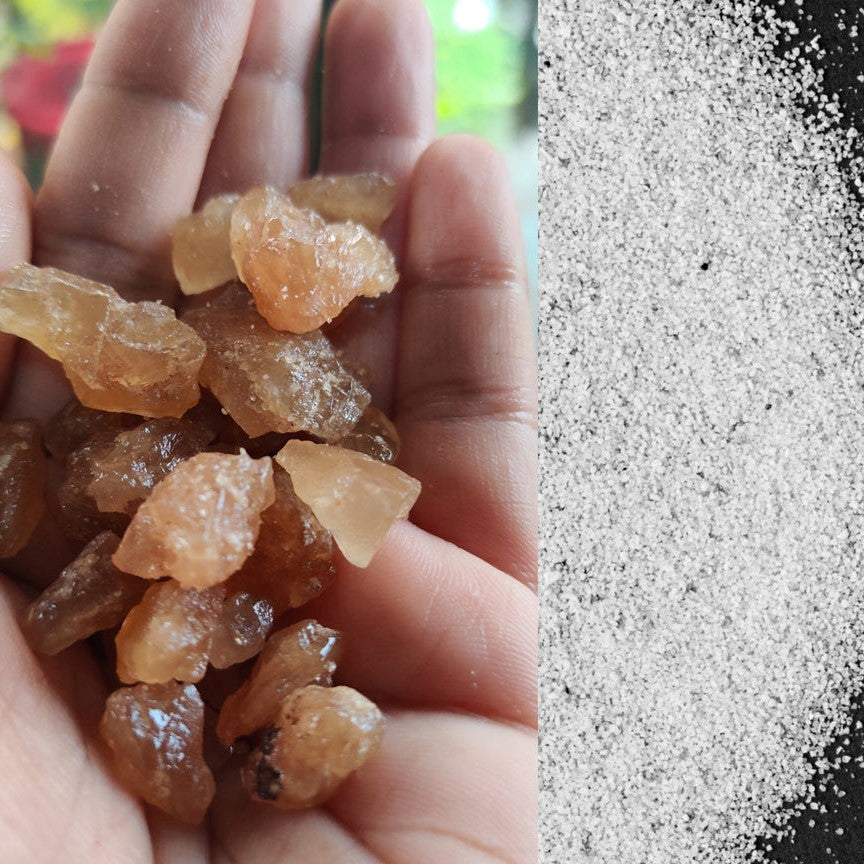
Are you trying to choose a special and considerate present? A foot bath with Himalayan rock salt is the perfect solution! In addition to being unique and creative, this do-it-yourself present has several health and relaxing advantages. Pink salt, or Himalayan salt, is a pure and natural type of salt that is extracted from the Himalayan mountains. It is well known for having a high mineral content and a gorgeous pink tint.
Himalayan rock salt offers a healing foot soak experience that eases sore feet, reduces tension, and enhances general wellbeing. The minerals in the salt combined with the warm water provide for a relaxing and cleansing soak that is suitable for all skin types.
A Himalayan rock salt foot soak is a great way to pamper yourself or someone you love, whether you're giving it to them or treating yourself to a spa-quality experience at home.

Advantages of Foot Soaks with Himalayan Rock Salt
Himalayan rock salt is not your typical salt. Minerals including calcium, magnesium, and potassium are abundant in it and provide several health advantages. These minerals are absorbed via the skin when used in foot soaks, offering several advantages.
The capacity of a Himalayan rock salt foot soak to increase circulation and decrease inflammation is one of its main advantages. By relaxing blood vessels, the warm water and pink salt improve blood flow to the feet and lessen discomfort and edema. People who have arthritis or plantar fasciitis, or who spend a lot of time on their feet, can particularly benefit from this.
Himalayan rock salt not only increases circulation but also has cleansing qualities. It aids in eliminating toxins from the body through the skin, restoring your sense of renewal and freshness. The minerals in salt help to keep skin healthy by unclogging pores.
Sendha Namak Foot Soak: Rock Salt Benefits for Feet and Leg Pain
In many Indian households, rock salt - known as sendha namak in Hindi - has been used for generations to soothe tired feet, ease leg cramps, and relieve overnight swelling. Sendha namak is the traditional Indian name for Himalayan rock salt: the same mineral, the same trace profile, and the same properties that make it one of the most effective natural salts for foot care.
For leg pain specifically, a rock salt foot soak addresses two of the most common underlying causes: poor circulation and muscle tension. Warm water with sendha namak helps dilate blood vessels, improving blood flow from the feet upward through the calves and legs. The magnesium in rock salt crosses the skin barrier and relaxes tense or cramped muscles - which is why a warm sendha namak soak before bed is a traditional home remedy for nighttime leg cramps, heavy legs after standing all day, and swelling from long hours on your feet.
To make a rock salt soak for leg pain, dissolve 2–3 tablespoons of sendha namak or Himalayan rock salt in a basin of warm water deep enough to cover your feet and lower calves. Soak for 15–20 minutes. For additional relief, add a few drops of peppermint essential oil to create a cooling, anti-inflammatory effect, or include a small handful of magnesium flakes to intensify the muscle-relaxing benefit.
If you experience leg pain that is persistent, severe, or accompanied by numbness, skin discolouration, or swelling that does not reduce after rest, consult a doctor to rule out underlying vascular or nerve conditions. Rock salt soaks are a supportive home remedy - effective for everyday fatigue and minor discomfort, but not a replacement for medical assessment.
Increasing Blood Flow and Diminishing Inflammation
The benefits of soaking your feet in Himalayan rock salt for circulation and inflammation are enormous.
- Improved Circulation: By relaxing blood vessels, the warm water enhances circulation in the feet.
- Discomfort Relief: Pink salt's minerals aid in reducing inflammation, which eases foot discomfort.
- Condition Relief: Plantar fasciitis and arthritic symptoms can be lessened by improved circulation.
- Reduced Swelling: Decreased inflammation contributes to less foot edema and pain.
Qualities That Detoxify and Skin Health
Additionally, detoxification and skin health are enhanced by a foot bath with Himalayan rock salt:
- Detoxification: Toxins are drawn out via the skin by the detoxifying qualities of the salt.
- Cleaning: The pink salt's minerals unclog pores and support good skin.
- Skin Appearance: Regular foot soaks enhance your skin's general look and condition.
- Purity: With no chemicals or additions that could damage your skin, Himalayan rock salt is among the purest salts on the market.
Crucial Components for a Foot Soak with Himalayan Rock Salt
It's easy to make a foot bath with Himalayan rock salt and only needs a few essential components. Naturally, the main component is Himalayan rock salt, which you can get online or at your neighborhood supermarket. Consider adding sea salt, magnesium flakes, and lavender essential oil for extra benefits. These added ingredients can help you unwind and give your bath some extra minerals.
The Proper Selection of Himalayan Rock Salt
Choose the pink variety of Himalayan rock salt for your foot bath; it is the most popular and accessible. The main ingredient of pink Himalayan salt is sodium chloride, but it also contains trace minerals that give it its unique flavor and color. Make sure the premium Himalayan rock salt you select is marked as 100% natural and devoid of any additions or preservatives. This maximizes the advantages of your foot soak by ensuring you are utilizing the purest kind of salt.
Is Pink Himalayan Salt Good for Soaking Feet?
Yes, pink Himalayan salt is excellent for soaking feet! This natural salt is packed with over 80 trace minerals including magnesium, calcium, and potassium, which are absorbed through your skin during a foot soak. These minerals work together to reduce inflammation, improve blood circulation, and promote healthier skin.
The therapeutic effects of Himalayan salt make it particularly beneficial for people who spend long hours on their feet, those with foot pain or swelling, and anyone dealing with conditions like plantar fasciitis or arthritis. The salt's detoxifying properties also help draw out impurities, leaving your feet feeling clean and rejuvenated.
Pink Himalayan salt is safe for most people and suitable for all skin types. However, if you have open cuts, wounds, or very sensitive skin, it's best to wait until your skin heals before enjoying a salt soak, as it may cause some stinging.
Extra Natural Ingredients for Increased Advantages
Add some natural ingredients to your Himalayan rock salt foot soak to make it better. Here are some alternatives to think about:
- Lavender Essential Oil: Lavender essential oil eases tension and encourages relaxation because of its relaxing qualities.
- Magnesium Flakes: Including magnesium flakes can assist ease tense muscles and promote further relaxation.
- Sea Salt: A range of minerals that support general skin health are introduced when Himalayan rock salt and sea salt are combined.
Himalayan Salt vs Epsom Salt for Foot Soaks
Both Himalayan salt and Epsom salt offer wonderful benefits for foot soaks, but they work in slightly different ways. Himalayan salt is a true salt (sodium chloride) enriched with trace minerals that support skin health and provide detoxification benefits. Its beautiful pink color comes from these natural minerals, and it helps improve circulation while offering gentle cleansing properties.
Epsom salt, on the other hand, is actually magnesium sulfate rather than true salt. It's particularly effective for relieving muscle soreness, reducing tension, and easing aches and pains. The magnesium in Epsom salt is easily absorbed through the skin and helps relax tired muscles.
For best results, consider what your feet need most. Choose Himalayan salt for detoxification, skin health, and gentle relaxation. Opt for Epsom salt when you need targeted muscle relief after exercise or a long day of standing.
Can You Use Himalayan Salt and Epsom Salt Together?
Absolutely! Combining Himalayan salt and Epsom salt in the same foot soak gives you the best of both worlds. Mix 2 tablespoons of Himalayan salt with 2 tablespoons of Epsom salt in warm water to enjoy enhanced mineral benefits, superior muscle relaxation, and comprehensive foot care. This powerful combination is especially wonderful after intense physical activity or when your feet need extra attention.
How-To Guide: How to Make Your Own Himalayan Salt Foot Soak
Making your own foot soak with Himalayan salt is an easy and fun project. This is how to begin:
Getting Ready for the Foot Soak
Prior to starting, acquire and carefully prepare all necessary ingredients:
-
Himalayan Salt: Known for its high mineral content and calming qualities, measure out half a handful of Himalayan pink salt.
-
Warm Water: Make sure the water in a foot pan or basin is just warm enough to walk around in, without being overly hot.
-
Foot Pan: Use a basin or foot pan that is big enough to fit your feet comfortably and is clean and dry.
You can make your Himalayan salt foot soak smoothly and uninterrupted if you prepare your items in advance.
Ingredients Required
- A half-tsp of pink Himalayan salt
- Warm water (around three liters)
- Optional: Sea salt, magnesium flakes, lavender essential oil, or any other desired natural additions
How Long to Soak Feet in Himalayan Salt
For the most beneficial experience, soak your feet in Himalayan salt for 15 to 20 minutes. This duration allows your skin to absorb the salt's essential minerals while the warm water works its magic on tired, achy feet. If you're short on time, even a quick 10-minute soak can offer some relief, though you'll get better results with a longer session.
While soaking for up to 30 minutes is generally safe, avoid going beyond this timeframe. Extended soaking can dry out your skin or cause excessive wrinkling. The key is finding that sweet spot where you feel relaxed and refreshed without overdoing it.
For best results, enjoy your Himalayan salt foot soak two to three times per week. This regular routine helps maintain healthy circulation, reduces ongoing inflammation, and keeps your feet feeling their best without over-treating them.
Best Time to Do a Himalayan Salt Foot Soak
The evening is an ideal time for a Himalayan salt foot soak. After a long day on your feet, this calming ritual helps you unwind and signals to your body that it's time to relax. Many people find that an evening foot soak improves their sleep quality. You can also enjoy a soak after exercise to soothe sore muscles, or whenever you need a moment of stress relief and self-care during your day.
How to Make Your Own Foot Soak
- Fill the Basin: Pour three liters of warm water into your foot pan or basin. Make sure there is just enough warmth in the water—not too hot.
- Add Himalayan Salt: To the warm water, add around three teaspoons of pink Himalayan salt.
- Stir to Dissolve: To aid in the salt's dissolution and bring about its advantageous effects, gently stir the water.
- Optional Add-Ins: Feel free to use sea salt, a few drops of lavender essential oil, a tiny bit of magnesium flakes, or any other natural additives of your choice.
- Combine Ingredients: Make sure all the ingredients are thoroughly mixed by giving the water another stir.
- Soak Your Feet: Let your feet submerge into the warm water while you unwind. To get the most out of the Himalayan salt foot soak, give your feet at least 15 to 20 minutes to soak.
- Rinse and Dry: After soaking, use clean water to rinse your feet, then use a towel to pat them dry.
- Moisturize: To keep your skin nourished and hydrated, use a foot cream or moisturizer.
Savor the calming and revitalizing effects of your foot bath with Himalayan salt!
Tailoring Your Foot Soak to Meet Various Needs
The adaptability of a homemade Himalayan salt foot soak is one of its best features. It is simple to adapt to meet certain demands. You can customize your foot soak with these ideas:
To unwind and relieve tension
Improve your foot soak to help you unwind and feel less stressed:
- Lavender Essential Oil: To encourage calm and lessen anxiety, add a few drops of lavender essential oil. Additionally, you can add dried lavender blossoms for aesthetic appeal.
- Warm Water: To relieve sore muscles and reduce stress, use warm water.
- Atmosphere: Light some fragrant candles, turn down the lights, or play some relaxing music to create a calm atmosphere.
- Mindfulness: During the soak, take your time, pay attention to your breathing, and release any tension that has built up.
You may create a calming and stress-relieving environment for your body and mind by combining these components.
For Foot Soreness and Edema
Use these additions to relieve swelling and soreness in your feet:
- Pink Salt: A tiny bit of this mineral-rich salt, which helps soothe foot pain and reduce inflammation, should be added.
- Peppermint Essential Oil: To create a cooling effect, add a few drops of peppermint essential oil.
- Epsom Salt: Infuse the soak with this magnesium-rich salt that helps relax tightness in the muscles, reduce inflammation, and minimize swelling.
Mix these items with some warm water to create a soothing and healing bath. Tailoring your foot soak with these items is the best way to address particular foot problems.
Himalayan Salt Foot Soak for Neuropathy: What the Pink Salt Trend Is Really About
Peripheral neuropathy - which causes tingling, numbness, burning, and weakness in the feet and legs - affects a significant portion of the population, particularly those with diabetes, vitamin deficiencies, or chronic inflammation. A growing number of people have turned to pink Himalayan salt foot soaks as part of their neuropathy management routine, and the search for the “pink salt trick for neuropathy” has become one of the most common queries in the foot care space.
The mechanism is grounded in two things: circulation and mineral absorption. Warm water stimulates blood flow to the feet, which helps deliver oxygen and nutrients to the peripheral nerves - something neuropathy patients often struggle with due to compromised circulation. At the same time, the magnesium in Himalayan salt is absorbed transdermally through the skin during the soak. Magnesium deficiency is directly linked to nerve pain and heightened nerve sensitivity, and a foot soak is a gentle, low-risk way to supplement it topically.
For a neuropathy-focused pink salt foot soak, dissolve 2–3 tablespoons of pink Himalayan salt in a basin of warm (not hot) water. Add a few drops of peppermint essential oil for a cooling effect that helps calm the burning sensation, or lavender oil to reduce nerve tension. Soak for 15–20 minutes. Keep the temperature comfortably warm rather than scalding - people with neuropathy sometimes have reduced heat sensitivity in their feet and can misjudge water temperature.
Himalayan salt foot soaks are a complementary wellness practice, not a substitute for medical treatment. If you have been diagnosed with peripheral neuropathy, speak with your healthcare provider before incorporating any new therapeutic routine. That said, for many people, this simple daily soak provides meaningful, drug-free relief alongside their prescribed care plan.
Conclusion
Enjoy the calming effects of a foot soak in Himalayan rock salt for a sumptuous at-home spa treatment. With its ability to improve circulation and have purifying qualities, this homemade gift idea is a healthy way to take care of your feet and relax after a hard day. For maximum benefits, mix premium Himalayan rock salt with other natural ingredients to create your own personalized foot soak.
This foot soak may be customized to meet your unique requirements, whether you're looking to unwind or relieve foot pain. Present it in a unique way to convey that you are thinking of them and that you are concerned about their well-being. Take care of yourself or a loved one with this easy yet luxurious self-care routine.
Frequently Asked Questions
What are the benefits of soaking feet in Himalayan salt?
Soaking your feet in Himalayan salt improves circulation, reduces inflammation and swelling, relieves foot pain and soreness, detoxifies through the skin, promotes healthier skin by unclogging pores, and provides essential minerals like magnesium, calcium, and potassium. It's particularly beneficial for conditions like plantar fasciitis and arthritis
How do you make a Himalayan salt foot soak?
Fill a basin with 3 liters of warm water, add 3 tablespoons (about 1/4 to 1/2 cup) of pink Himalayan salt, and stir until dissolved. You can add optional ingredients like lavender essential oil or magnesium flakes for enhanced benefits. Soak your feet for 15-20 minutes, then rinse with clean water, pat dry, and moisturize.
Can you soak your feet in Himalayan pink salt every day?
While daily foot soaks are generally safe, it's best to soak your feet 2-3 times per week for optimal results. Daily soaking may dry out your skin over time. If you prefer more frequent soaks, keep them shorter (10-15 minutes) and always follow with a good moisturizer.
Is Himalayan salt better than regular salt for foot soaks?
Yes, Himalayan salt is superior to regular table salt for foot soaks. Unlike processed table salt, which is stripped of minerals and often contains additives, Himalayan salt is pure and contains over 80 trace minerals that benefit your skin and overall health. Its mineral content gives it therapeutic properties that regular salt simply can't match.
What does soaking feet in pink Himalayan salt do?
Pink Himalayan salt foot soaks work by relaxing blood vessels to improve circulation, drawing out toxins through your skin's pores, reducing inflammation to ease swelling and pain, providing minerals that nourish your skin, and creating a relaxing experience that reduces stress and promotes better sleep.
How much Himalayan salt should I use for a foot soak?
Use approximately 3 tablespoons (or 1/4 to 1/2 cup) of Himalayan salt per 3 liters (about 1 gallon) of warm water. This ratio provides enough salt to be effective without being wasteful. You can adjust slightly based on your preference, but avoid using too much as it won't increase the benefits significantly.
How Often Is the Himalayan Salt Foot Soak Appropriate for Me?
Use the Himalayan salt foot soak two or three times a week to get the most out of the benefits. Regular use can enhance general foot health by lowering inflammation, increasing circulation, and reducing pain. For optimal effects, always follow with appropriate moisturization.
Is It Possible to Reuse Himalayan Salt for Several Soaks?
Because Himalayan salt is hygroscopic and can absorb moisture and perhaps contaminate surfaces, it is not advised to use it repeatedly for foot soaks. For maximum advantages, it is ideal to use fresh salt for each bath.
Is pink Himalayan salt good for neuropathy?
Pink Himalayan salt foot soaks are widely used to ease the discomfort associated with peripheral neuropathy - the tingling, numbness, and burning pain that affects the feet and legs. Warm water improves circulation to the extremities, which helps deliver oxygen to the nerves, while the magnesium in Himalayan salt is absorbed transdermally and helps reduce nerve tension. Himalayan salt is not a medical treatment for neuropathy; anyone with a diagnosis should speak with their doctor before using foot soaks as a complementary approach.
Can rock salt help with leg pain?
Yes, soaking legs and feet in warm water with rock salt (sendha namak or Himalayan pink salt) can help relieve leg pain caused by muscle fatigue, poor circulation, or inflammation. The warm water dilates blood vessels to improve blood flow, while the minerals in the salt - particularly magnesium and potassium — are absorbed through the skin to ease muscle tension and reduce swelling. For persistent or unexplained leg pain, consult a doctor to rule out underlying causes.
What is the "pink salt trick" for feet?
The pink salt trick refers to soaking your feet in warm water mixed with pink Himalayan salt - a remedy that spread widely through wellness communities for improving circulation, reducing swelling, and easing foot pain and neuropathy symptoms. The standard ratio is 2–3 tablespoons of pink Himalayan salt dissolved in warm water, soaking for 15–20 minutes. While the term is social media shorthand, the core benefits — mineral absorption, improved blood flow, and inflammation reduction — are consistent with the documented properties of Himalayan salt.
Can I use Himalayan salt instead of Epsom salt for a foot soak?
Yes, you can use Himalayan salt in place of Epsom salt for a foot soak, though they offer different primary benefits. Himalayan salt contains over 80 trace minerals that support detoxification and skin health, while Epsom salt is magnesium sulfate — particularly effective for muscle soreness and tension relief. For general foot care and relaxation, Himalayan salt is an excellent substitute. For post-exercise muscle recovery, Epsom salt has the edge. Combining both in the same soak gives you the benefits of each.
Is sendha namak the same as Himalayan rock salt?
Yes, sendha namak is the Hindi name for rock salt, and it refers to the same mineral as Himalayan pink salt. It is extracted from salt deposits in the Himalayan region and contains the same trace minerals — magnesium, potassium, calcium, and iron — that give Himalayan salt its pink colour and therapeutic properties. Sendha namak can be used as a direct substitute for Himalayan rock salt in any foot soak recipe and delivers the same benefits for feet, leg pain, and skin health.
Shop All Products