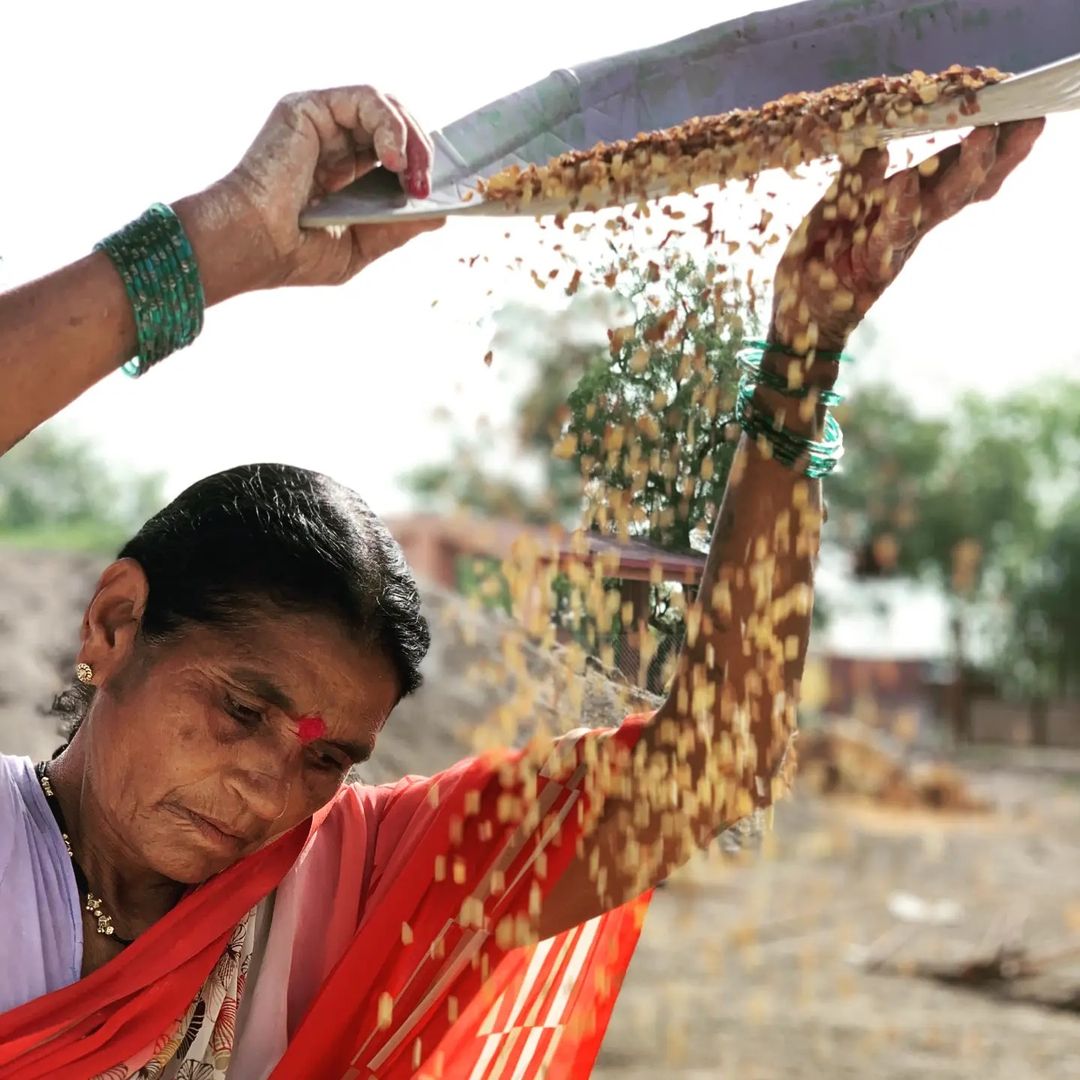
Rujuta Diwekar, the celebrity nutritionist who is a crusader of all Indian superfoods, mentioned the Aliv seeds on her social media pages as hashtag ‘immunity booster’. Known for her witty repartees while conveying nutrition information to her adoring viewers, Rujuta is often quick to dispel myths and cautions about jumping on the healthy bandwagon before learning all the facts.
What Are Aliv Seeds? (Know the Names)
Aliv seeds, also known as Halim or Garden Cress seeds, are tiny brick-red nutritional powerhouses used in Ayurveda for centuries. These seeds are the same as Asario, Asaliya, and are called Saliya in Tamil, Aliv in Marathi, and Halim in Hindi. Rich in iron, calcium, folic acid, and protein, they're not a new superfood trend but an ancient ingredient that supports hair health, digestion, postpartum recovery, and overall immunity.
Regional Names Quick Reference
- Hindi: Halim
- Tamil: Saliya
- Kannada: Aliv/Asaliya
- English: Garden Cress Seeds
Aliv or Halim seeds as they are known is not a new fad diet as we may mistakenly assume. It is an ingredient which is so ancient that it is kind of forgotten in the debris of seeking foods which existed beyond the Indian continent. It is nothing but the case of the “grass being greener on the other side“ !

With traditional Indian foods and their benefits not being documented in English, the power of health was handed over to more famous forages from across the seas.
It is not that our ancestors did not take the time to put together their food findings. In fact Aliv is a much used ingredient in Ayurveda. It is prescribed in the ayurvedic diet as well as in medicinal form.
It is truly thanks to Rujuta Diwekar and her team of go-getters that many ingredients like Aliv are resurfacing and becoming more familiar in food conversations these days.
If food traders, farmers and food entrepreneurs choose to capitalise on the growing interest in aliv then that is great news for the economy as well as the soil. Growing native ingredients is the best way to maintain a healthy ecosystem. In addition, let’s also remember the fantastic effects it is going to have on the health of the Indian population. Foods like this are certainly here to stay.
The video she shared didn’t go viral only with her audience and their friends but was also picked up by the news media and published in several leading Indian newspapers. The Deccan Chronicle called this ingredient “seeds of power”.
There is no denying the potency of these almost forgotten seeds. A small amount is all that is required to add so many health benefits. We can give a list of vitamins and minerals like; Vitamins A, C,E and folate, magnesium, phosphorus, iron, calcium, amino acids and more but the truth is the benefits are far greater than the number of fingers in two human hands.

Let’s start with an issue that seems to be suddenly plaguing the young Indian society - Fertility.
Why are young women having to seek medical intervention more now than before? We may not like to hear it but if we just calmly put our mind to what has changed, it is indeed the lifestyle pattern that we follow today. Ironically health is more of a hot topic now than ever before. Gyms, trainers, HIIT workouts, pilates, yoga are all being talked about in most family and friend circles.
But still there is something amiss, isn’t there?
In the race to look younger, feel fitter, climb mountains and engage in triathlons, we also need to give some credit to our ancestral genetic makeup. What is in our cell memory?
Our bodies respond to a local and seasonal diet far better than the most rare herb found high on a mountain top. The highly well read and educated Indian is constantly in search of proof when it comes to indigenous Indian foods. Unfortunately the West has succeeded in attaching more than a sliver of glamour to foods grown there making them appear as benchmarks in health and nutrition. So who can blame the Aliv ladoo for disappearing into obscurity. Our forefathers didn’t predict the onslaught of nutrition information from lands so distant to our's.
Folic acid is essential during pregnancy. It is one of the first minerals prescribed for expectant mothers as it is needed for all rounded growth. We are happy to take it in pill form, even more assured when the pill is manufactured abroad (because of stricter guidelines etc) The chance to learn about the pharmacy in nature’s wild growth becomes very rare!
Can You Eat Halim Seeds During Pregnancy?
Halim seeds are generally not recommended during pregnancy due to their heating nature, which may stimulate uterine contractions. However, they are excellent during the postpartum period. Rich in folic acid, iron, and calcium, they support new mothers' recovery, boost milk production, and help restore strength. For another Ayurvedic ally through pregnancy and postpartum recovery, shop women's wellness Shatavari ghee, traditionally used to support milk production and hormonal balance.
Aliv is rich in folate and is also part of the ancient postpartum diet which is given to new mothers. As a culture we were largely unaware, until a decade ago, about postpartum depression and other issues related to mental wellness.
It seems that our elders were more aware than what they let on. Certain foods were strictly prohibited after delivery and some foods were an absolute must. With today’s need to dissect and evaluate everything for a scientific explanation, we often need to eat humble pie to acknowledge that our Indian food customs were based on knowledge and not only on superstitions.

Aliv is also known as Saliya in Tamil and Garden cress in English. Asario, asaliya are some of the other names these seeds are known by which proves that it was a food that was a part of the Indian diet throughout the subcontinent. As Rujuta says, even if it was hard to come by before, it is now available in plenty because it is easy to grow on Indian terrain.
How to Use Halim Seeds for Hair Growth
Halim seeds are rich in iron and protein, both essential for preventing hair loss and promoting hair growth. For best results, consume 1 teaspoon of soaked seeds mixed with warm milk before bedtime, or choose a traditional preparation by buying Aliv laddoo online and including 1-2 laddoos daily in your routine. The seeds should be soaked in water for 15-20 minutes before consumption to improve digestibility.
Daily Consumption Method
- Soak 1 teaspoon of seeds in water for 15-20 minutes
- Mix with warm milk and consume before bedtime
- Alternatively, have 1-2 aliv laddoos daily
- Continue for 2-3 months to see visible results
It’s just that our farmers needed a bit of a reminder. The seeds are a beautiful brick red and look rather unique.
They are said to be extremely beneficial in arresting hair loss, even in extreme conditions like alopecia. It is great for managing stress, curing skin ailments and boosting memory and concentration. In her recent video, Rujuta also talks about the Aliv ladoo being an ideal food for Covid recovery patients.
As always the need to exercise caution must be remembered. Like the case of Soy products for example. People went completely berserk substituting Indian grains with Soya to an extent that it caused severe implications in digestion and overall gut health.
While aliv seeds are a superfood, it is only required in miniscule quantities. The ability of a superfood in doing its job lies in the way it is paired. The traditional way of eating Aliv seeds is in a ladoo with the age-old combination of jaggery and desi ghee. Coconut is also added because of its therapeutic properties and good fats.

Aliv seeds are high in heat and hard on digestion. Just like we need transportation to reach further destinations, Aliv seeds need good fats which will aid in their absorption, assimilation and absorption into the human body. Foods like desi ghee, coconut and jaggery contain a complex combination of nutrients which will ensure that the Aliv seeds are made good use of.
Are Halim Seeds Hot or Cold for the Body?
Yes, halim seeds are heating in nature. They generate warmth in the body, which is why they're traditionally consumed during winter months and postpartum recovery. This heat property makes them excellent for improving circulation and metabolism but also means they should be paired with cooling agents. The traditional combination of jaggery, desi ghee, and coconut in laddoos balances this heat while aiding digestion and absorption. Avoid consuming them in excess during summer or if you have a naturally high body heat constitution.
A couple of tablespoons of Aliv seeds are adequate to make ladoos for a family. If it is to be taken separately, the non ladoo fans can also opt to mix a pinch of seeds (5-6 tiny seeds) in a cup of warm milk before bedtime.
How Much Halim Seeds Should You Consume Daily?
As a superfood, halim seeds are potent in small quantities. For adults, 1 teaspoon (approximately 5-6 grams) of soaked seeds or 1-2 laddoos per day is sufficient. Children can consume half this amount. Overconsumption may cause digestive discomfort or excessive body heat. Always pair with healthy fats like ghee or coconut for optimal absorption.
Going the capsule way as we do with turmeric, ginger, garlic etc is not at all recommended because that is not how a superfood functions. Indian foods are rarely recommended in isolation because it is all about a give and take…a balance in nutritional dynamics.
Can Halim Seeds Help with Weight Loss?
Halim seeds can support weight loss when consumed as part of a balanced diet. They're high in fiber and protein, which promote satiety and reduce cravings. The seeds also help regulate metabolism and improve digestion. However, consuming them in ladoo form (with jaggery and ghee) adds calories, so for weight loss goals, consume soaked seeds directly with warm water or mix into smoothies. Limit intake to 1 teaspoon daily and combine with regular exercise.
We may not have the time to make Aliv Seed Laddoos and that does not make us irresponsible or having to feel inadequate. Thankfully there are brands which conform to traditional home cooking by making small batches of handcrafted foods just like the kind which came from a country kitchen not so long ago.
Frequently Asked Questions
Can halim seeds be eaten raw without soaking?
While possible, soaking for 15-20 minutes improves digestion and nutrient absorption significantly.
Who should avoid halim seeds?
Pregnant women, people with high body heat, and those with thyroid issues should avoid or consult a doctor first.
Do halim seeds cause constipation?
No, they're high in fiber and aid digestion when consumed with adequate water and healthy fats.
Can we give halim seeds to kids?
Yes, children above 2 years can consume half the adult portion (½ teaspoon daily) mixed with milk.
Can men eat halim seeds?
Absolutely. Halim seeds benefit everyone, supporting energy, immunity, and overall health regardless of gender.
Can halim seeds be roasted before eating?
Roasting is not recommended as heat may reduce nutritional value. Soaking is the preferred method.
Where can I buy halim seeds?
Available at most Indian grocery stores, organic food shops, and online platforms like Amazon.
Why do halim seeds taste bitter?
Natural compounds give them a slightly bitter, peppery taste. Pairing with jaggery or honey balances this.
How long should halim seeds be soaked?
15-20 minutes in room temperature water is ideal. They develop a gel-like coating when ready.
Can we consume halim seeds daily?
Yes, 1 teaspoon daily is safe for most adults when consumed properly with healthy fats.
Taking the time to source these foods and trust in the ancient wisdom of Indian food pairings is probably the best gift we can give ourselves in 2022.
Reference links